Yoga for Beginners 2026: Complete Guide for Indian and American Practitioners
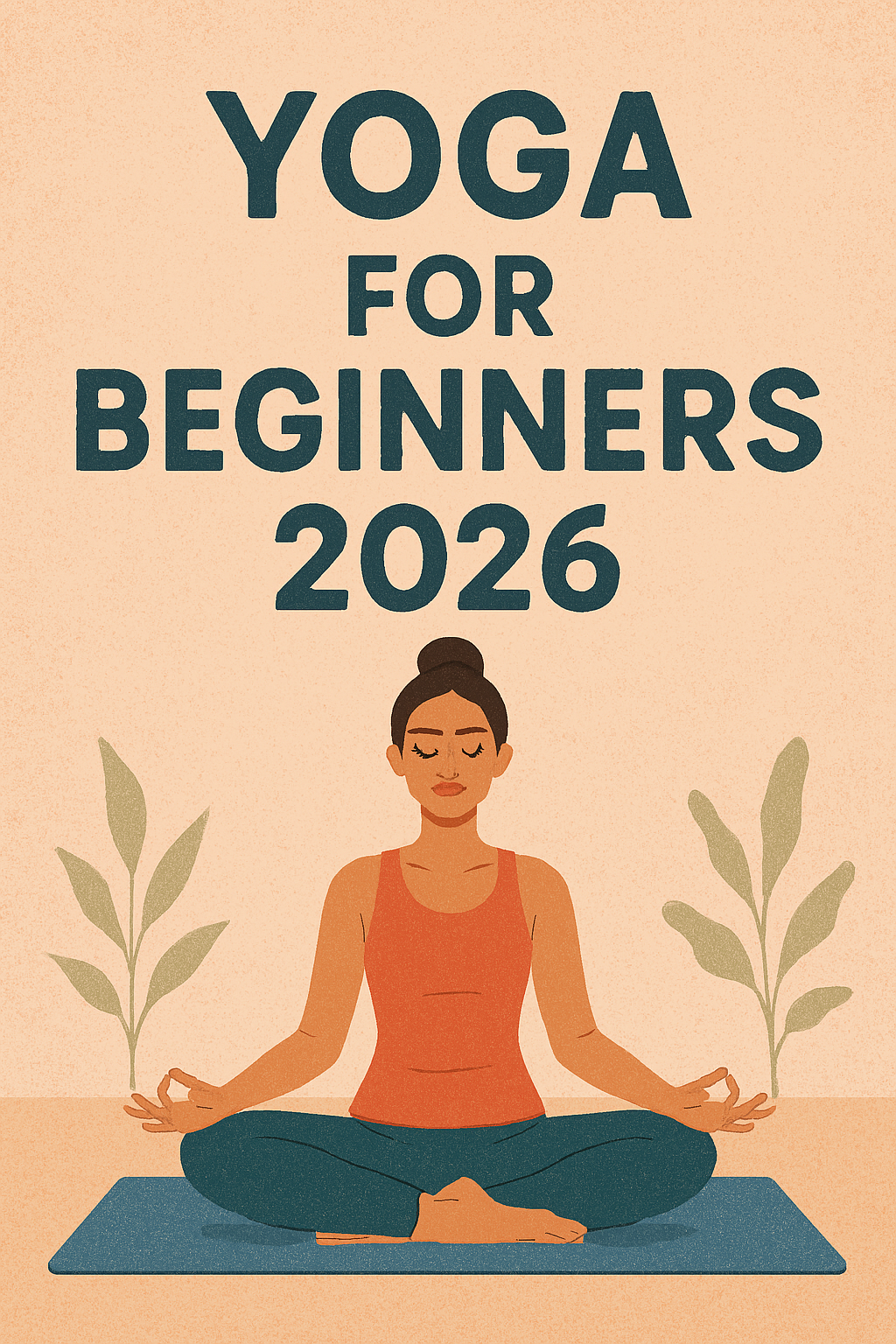
Yoga has transcended its ancient Indian roots to become a global wellness phenomenon in 2026, with over 300 million practitioners worldwide. This comprehensive beginner's guide provides everything you need to start a transformative yoga practice, whether in Mumbai or Manhattan.
Understanding Yoga Fundamentals
Yoga combines physical postures (asanas), breath control (pranayama), and meditation to create holistic mind-body wellness. Unlike pure fitness workouts, yoga emphasizes conscious movement and breath synchronization, reducing stress while building strength, flexibility, and balance.
The practice originated in India over 5,000 years ago but has evolved into various styles. Hatha yoga focuses on basic postures and breathing, perfect for beginners. Vinyasa yoga links breath with flowing movements, providing cardio benefits. Yin yoga holds passive stretches for deep tissue release.
Essential Yoga Poses for Beginners
Mountain Pose (Tadasana) forms the foundation of standing postures. Stand with feet hip-width apart, arms relaxed, and weight distributed evenly. This simple pose improves posture and body awareness, counteracting hours spent sitting at desks.
Downward-Facing Dog (Adho Mukha Svanasana) stretches the entire posterior chain from shoulders to hamstrings. Start on hands and knees, then lift hips toward the ceiling, forming an inverted V. This pose energizes while relieving back tension common in Indian and American office workers.
Child's Pose (Balasana) provides gentle stretching and stress relief. Kneel on the floor, sit back on heels, and extend arms forward while lowering forehead to the mat. This restorative pose calms the nervous system during stressful days.
Warrior I (Virabhadrasana I) builds leg strength and opens hips. Step one foot forward into a lunge, raise arms overhead, and square hips forward. This empowering pose develops stamina and mental focus.
Cat-Cow Pose (Marjaryasana-Bitilasana) increases spine flexibility through gentle flowing movement. Alternate between arching and rounding your back while on hands and knees, synchronizing breath with movement.
Creating Your Home Yoga Practice
Dedicate a quiet space free from distractions. Indian practitioners might use a spare room or balcony corner, while Americans can convert bedroom or living room areas. Maintain consistency by practicing at the same time daily—early morning suits traditional Indian schedules, while Americans often prefer evening sessions after work.
Invest in a quality yoga mat (₹800-₹3,000 in India, $20-$80 in USA) providing cushioning and grip. Cork or natural rubber mats offer eco-friendly options with excellent traction for sweaty practices.
Start with 15-20 minute sessions, gradually increasing to 45-60 minutes as stamina builds. Quality matters more than quantity—focused shorter practices benefit more than distracted longer sessions.
Breathing Techniques for Beginners
Ujjayi breath (ocean breath) creates audible breathing through slight throat constriction. This technique generates internal heat, improves concentration, and provides rhythm for movement. Practice while holding poses to deepen awareness.
Alternate nostril breathing (Nadi Shodhana) balances nervous system activity. Close right nostril, inhale through left, close left nostril, exhale through right, continuing alternately. This pranayama reduces anxiety and improves mental clarity.
Common Beginner Mistakes to Avoid
Don't push into pain—yoga should challenge but never hurt. Respect your body's limits and use props like blocks, straps, and bolsters for support. Forcing flexibility risks injury and discourages continued practice.
Avoid comparing yourself to others. Every body is unique with different flexibility, strength, and balance. Progress comes through consistent practice, not competition.
Don't hold your breath. Continuous breathing supplies oxygen, prevents injury, and deepens poses. If you can't breathe comfortably, ease back slightly.
Online Resources and Classes
YouTube offers thousands of free yoga classes. Indian practitioners enjoy content from Yoga With Adriene, Boho Beautiful, and Indian yoga teachers sharing traditional practices. Americans access similar resources plus studio-produced content.
Paid apps like Down Dog ($7.99/month) and Glo ($18/month) provide structured programs with customizable difficulty levels. Many offer free trials for testing before committing.
Local studios in both countries offer beginner classes with hands-on instruction. Group classes provide community support and professional guidance for proper alignment.
Health Benefits of Regular Practice
Research confirms yoga reduces anxiety, depression, and chronic pain while improving cardiovascular health and sleep quality. Indian practitioners often notice improved digestion and stress management, while Americans report better work-life balance and mental clarity.
Physical benefits include increased flexibility (noticeable within 2-3 weeks), improved strength (especially core and upper body), and better posture. Many practitioners lose weight through increased body awareness and mindful eating habits.
Setting Realistic Expectations
Expect initial soreness as muscles adapt to new movements. Flexibility improvements appear gradually over weeks and months, not days. Mental benefits often manifest before physical changes, with improved mood and reduced stress within the first week.
Most beginners see significant progress within 3-6 months of consistent practice. Stick with it through initial awkwardness—yoga is a lifelong journey of self-discovery and growth.
Beginning yoga requires only willingness to try and dedication to practice. Whether seeking physical fitness, stress relief, or spiritual growth, yoga offers transformative benefits accessible to everyone regardless of age, fitness level, or location.