The AI Wellness Revolution: 7 Personalized Health Trends Transforming Lives in 2026
Healthcare is no longer one-size-fits-all. In 2026, artificial intelligence, wearable technology, and personalized data are revolutionizing how we approach wellness. From AI-powered sleep coaches to smart rings that predict illness, the wellness landscape has transformed from generic advice to hyper-personalized health optimization.
Recent expert surveys reveal that 52% of health professionals predict increased use of weight management medications, while 38% identify AI-integrated wearables as the top health trend of 2026. Here's your complete guide to navigating this new era of personalized wellness.
- AI Wearables: Your Personal Health Dashboard
The Oura Ring, Apple Watch, and WHOOP bands are no longer just fitness trackers—they're becoming comprehensive health monitoring systems powered by artificial intelligence.
What's New in 2026:
- Predictive health alerts: Your device warns you about potential illness 24-48 hours before symptoms appear
- Cycle tracking revolution: Women can now track menstrual health with unprecedented accuracy, with devices monitoring basal body temperature, resting heart rate, sleep patterns, and hormonal measures to predict fertile windows
- Stress scoring: Real-time cortisol level estimation through heart rate variability
- Recovery optimization: AI tells you exactly when your body is ready for intense exercise versus when you need rest
Real-World Impact:
For Indians: In cities like Bangalore, Mumbai, and Delhi where pollution affects health daily, AI wearables can track respiratory patterns and suggest optimal outdoor exercise times. The Oura Ring now integrates with Natural Cycles, which recently launched a perimenopause-tracking algorithm—crucial for women in their 40s navigating hormonal changes.
For Americans: With healthcare costs soaring, preventive health monitoring can save thousands in emergency visits. Studies show that early detection of atrial fibrillation through smartwatches has prevented strokes in users aged 50+.
The Investment: Quality AI wearables range from $200-400 (Oura Ring, WHOOP) to $400-800 (Apple Watch Ultra). They typically pay for themselves within a year through reduced doctor visits and better health management.
Who Should Get One:
- Anyone with family history of heart disease
- Women tracking fertility or menopause
- Athletes seeking performance optimization
- Anyone over 40 for preventive health monitoring
- People managing chronic conditions like diabetes or hypertension
- Sleep Optimization: The New Health Priority

Sleep is no longer an afterthought—it's the main event. In 2026, sleep optimization has become as mainstream as morning coffee.
Why Sleep Matters More Than Ever:
Research consistently shows that sleep affects:
- Immune function and disease resistance
- Cognitive performance and memory
- Emotional regulation and mental health
- Weight management and metabolism
- Longevity and healthy aging
Most adults need 7-9 hours of quality sleep, yet 35% of Americans and 40% of urban Indians get less than 6 hours nightly.
The 2026 Sleep Stack:
Level 1 - Free Improvements:
- Consistent sleep schedule (even on weekends)
- Dark, cool bedroom (65-68°F / 18-20°C)
- No screens 1 hour before bed
- Afternoon caffeine cutoff (no coffee after 2 PM)
Level 2 - Budget Tools ($50-200):
- Blue light blocking glasses ($20-50)
- White/brown noise machine ($30-80)
- Blackout curtains ($40-100)
- Weighted blanket ($60-150)
Level 3 - Tech Solutions ($200-500):
- Sleep tracking wearables (Oura Ring, WHOOP)
- Smart mattress pads (Eight Sleep at $2,000+ or budget alternatives at $300-600)
- Wake-up light alarms ($50-200)
- Sleep earbuds with white noise ($150-250)
The Science-Backed Routine:
Evening (7-10 PM):
- Dim lights after sunset (or use warm lighting)
- Light dinner 3 hours before bed
- Gentle stretching or meditation
- Warm shower 90 minutes before sleep
- Room temperature drops to 68°F/20°C
Sleep Time (10 PM-6 AM):
- Wearable tracks sleep stages
- Smart thermostat adjusts temperature
- White noise masks disturbances
Morning (6-7 AM):
- Wake-up light gradually brightens
- Morning sunlight exposure within 30 minutes
- Light exercise or yoga
Indian Adaptation: With year-round warm weather, invest in good ceiling fans or AC with sleep mode. Cotton bedding is essential. Consider afternoon naps (20-30 minutes) which are culturally accepted and beneficial.
American Adaptation: Use smart thermostats to create perfect sleep temperature. Take advantage of longer summer days for evening walks to tire the body naturally.
- GLP-1 Medications: Beyond Weight Loss
Medications like Ozempic, Wegovy, and Mounjaro dominated headlines in 2025, but 2026 is seeing expanded applications beyond weight management.
What's Changing:
Experts predict GLP-1 medications will increasingly be prescribed for:
- Heart health: Reducing cardiovascular disease risk
- Kidney disease: Slowing progression in diabetic nephropathy
- Addiction treatment: Early research shows promise for alcohol and drug addiction
- Metabolic syndrome: Comprehensive treatment approach
- PCOS management: Particularly relevant for Indian women, where PCOS affects 1 in 5
The Reality Check:
Pros:
- Effective weight loss (average 15-20% body weight)
- Improved metabolic markers
- Reduced cravings and appetite
- Potential cardiovascular benefits
Cons:
- Cost: $800-1,500/month in US without insurance (₹30,000-50,000 in India)
- Side effects: Nausea, digestive issues in 40-60% of users
- Requires ongoing use—weight often returns after stopping
- Muscle loss concerns—requires protein intake and resistance training
Who Should Consider It:
- BMI over 30 (or 27 with related health conditions)
- Failed multiple diet attempts with medical supervision
- Have metabolic syndrome or pre-diabetes
- Can afford long-term treatment
- Willing to pair with lifestyle changes
Important: These medications are NOT magic pills. They work best combined with dietary changes, exercise, and behavioral modifications. Consider them a tool, not a solution.
- Personalized Nutrition: Eating for Your Body
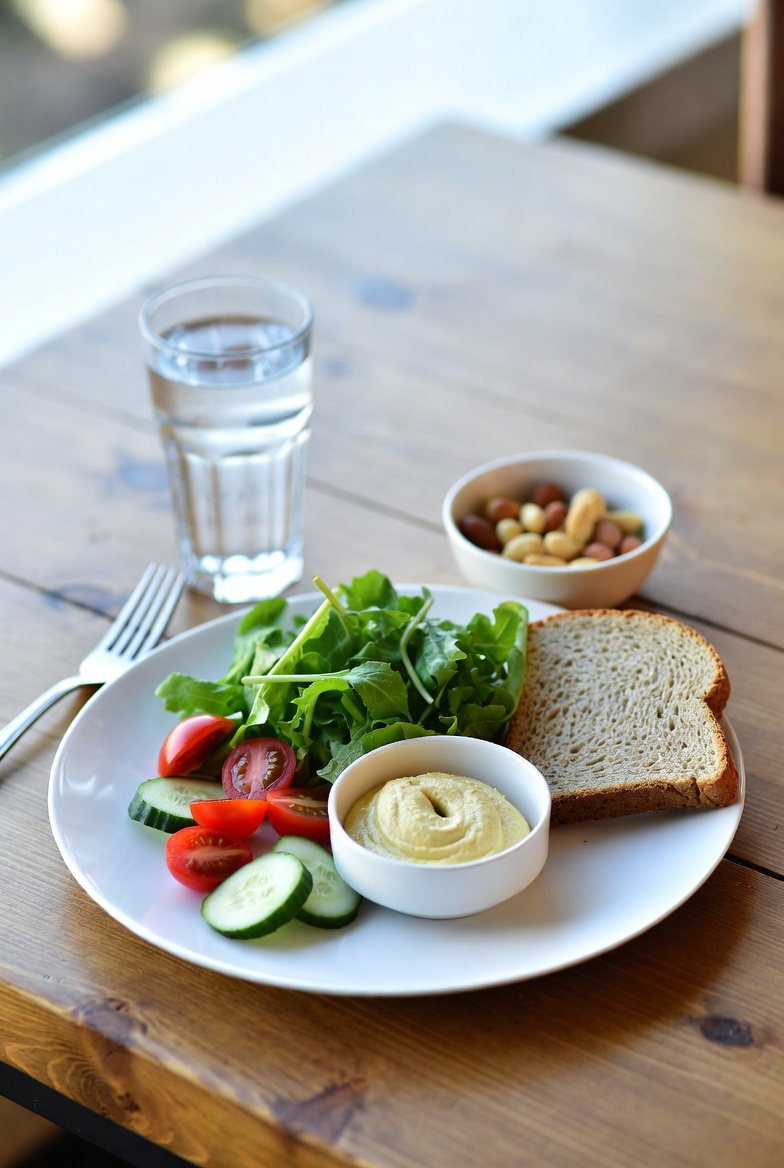
Generic diet advice is dead. In 2026, continuous glucose monitors (CGMs) and microbiome testing are making nutrition truly personal.
The CGM Revolution:
Originally for diabetics, CGMs are now used by non-diabetics to understand how their body responds to specific foods.
What You Learn:
- Which foods spike your blood sugar (it's different for everyone)
- Optimal meal timing for your body
- How stress and sleep affect glucose
- Which exercises stabilize blood sugar
- Food combinations that work for you
Example Insights:
- Person A: Oatmeal spikes glucose; eggs don't
- Person B: Opposite reaction—eggs spike, oatmeal doesn't
- Person C: White rice with dal causes moderate spike; white rice alone causes massive spike
Indian Context: CGMs reveal why traditional Indian meals (protein + carb + fat) cause more stable blood sugar than carbs alone. That dal with roti works better than roti alone—now you have data proving what grandmothers knew.
American Context: CGMs expose hidden sugar sources. That "healthy" smoothie might spike your glucose higher than a candy bar. Your body's reaction to bread, pasta, and pizza becomes crystal clear.
Cost-Benefit:
- CGM sensors: $70-150 for 2 weeks
- Use for 1-2 months to establish patterns
- Total investment: $300-600
- Lifetime benefit: Knowing your optimal diet forever
- Mental Fitness: Training Your Mind Like Your Body
2026 marks a shift from "mental health" (treating problems) to "mental fitness" (building resilience).
The New Mental Wellness Stack:
Daily Practices (15-30 minutes):
- Morning meditation (Headspace, Calm, or free apps)
- Gratitude journaling (3 things you're grateful for)
- Breathwork exercises (4-7-8 breathing technique)
- Mindful movement (yoga, tai chi, or walking meditation)
Weekly Practices:
- Therapy or counseling (destigmatized and normalized)
- Social connection activities
- Nature exposure (minimum 120 minutes/week)
- Digital detox periods
Technology Tools:
- AI therapy apps: Woebot, Wysa (available 24/7)
- Meditation apps: Insight Timer, Ten Percent Happier
- Mood tracking: Daylio, Moodfit
- Breathwork: Othership, Breathwrk
Somatic Wellness Trend:
Instead of just talking about problems, somatic wellness uses the body to process emotional states:
- Breathwork for anxiety
- Cold plunges for stress resilience
- Sound baths for nervous system regulation
- Shaking/movement for trauma release
Cultural Adaptation:
In India: Pranayama (breath control) and yoga are traditional somatic practices now backed by modern science. Daily practice improves mental resilience and emotional regulation.
In America: Cold plunges, breathwork classes, and sound baths are filling gyms and wellness studios. What was once "alternative" is now mainstream.
- Food as Medicine: Prescription Produce
Healthcare providers are literally prescribing fruits and vegetables in 2026.
How It Works:
Programs like "Food as Medicine" allow doctors to prescribe fresh produce to patients with:
- Type 2 diabetes
- Heart disease
- Hypertension
- Obesity
- Pre-diabetic conditions
Real Programs:
- US: Montgomery County, Maryland awarded $750,000 to six organizations for Food Rx programs
- US: D.C. Greens' Food Rx allows healthcare providers to prescribe produce to Medicaid enrollees
- India: Similar programs emerging in metropolitan hospitals partnering with local farms
Why It Works:
Studies show that nutrition interventions can:
- Reduce HbA1c levels by 0.5-1.0% in diabetics
- Lower blood pressure 5-10 points
- Reduce cholesterol 20-30 points
- Decrease need for medications
- Save $1,000+ annually in prescription costs
How to Advocate: Ask your doctor if your insurance or healthcare system offers food prescription programs. Many patients don't know these exist.
- The Well-Planned Plant-Based Revolution
97% of health experts now agree: well-planned plant-based diets are beneficial for overall health.
What Changed:
Previous concerns about plant-based diets (protein deficiency, B12, iron) have been addressed through:
- Better food fortification
- Wider variety of plant proteins
- Clear supplementation guidelines
- Athlete success stories (elite performers thrive on plant-based diets)
Starting a Plant-Based Journey:
Week 1-4: Add one meatless meal per week Week 5-8: Increase to 3 meatless meals per week Week 9-12: Try "Meatless Mondays" Month 4+: Gradually increase based on comfort
Key Nutrients to Monitor:
- Vitamin B12 (supplement required)
- Iron (pair plant sources with vitamin C)
- Omega-3 (flaxseed, chia, walnuts, or algae supplement)
- Protein (beans, lentils, tofu, tempeh, quinoa)
- Calcium (fortified plant milks, leafy greens)
Indian Advantage: India has centuries of vegetarian cuisine tradition. Dal, sabzi, roti combinations provide complete proteins naturally.
American Transition: Focus on whole foods (not processed meat alternatives). Mediterranean and plant-based diets overlap significantly.
Creating Your 2026 Wellness Plan
Starter Plan (Minimal Investment):
- Consistent sleep schedule
- 30 minutes daily movement
- Meditation app (free versions)
- Whole food focus
- Social connection weekly
Intermediate Plan ($500-1,000 investment):
- Everything from Starter Plan
- Basic wearable (Fitbit, basic Apple Watch)
- Therapy or counseling
- Gym membership or home equipment
- Meal planning service
Advanced Plan ($2,000-4,000 investment):
- Everything from Intermediate Plan
- Premium wearable (Oura Ring + Apple Watch)
- CGM monitoring (1-2 months)
- Advanced sleep technology
- Comprehensive health testing
- Nutrition coaching
The Bottom Line
The wellness revolution of 2026 isn't about perfection—it's about personalization. AI and wearable technology have made it possible to understand your unique body in ways never before possible.
Start small. Pick one area (sleep, activity, nutrition, or mental fitness) and optimize it before moving to the next. The goal isn't to do everything—it's to find what works for YOUR body, YOUR lifestyle, and YOUR goals.
The data is clear: personalized, preventive wellness saves money, extends healthspan, and improves quality of life. The tools are more accessible than ever. The question isn't whether to start—it's what to try first.
Your Action Plan for This Week:
- Download a free sleep tracking app or use your phone's built-in tracker
- Set a consistent sleep schedule (same time every night)
- Try one new plant-based meal
- Take a 15-minute walk outside in natural light
- Practice 5 minutes of meditation or breathwork
What wellness trend are you most excited to try in 2026? Share your journey in the comments!