Recent Disease Outbreaks in the U.S. (December 2025) and How to Stay Protected
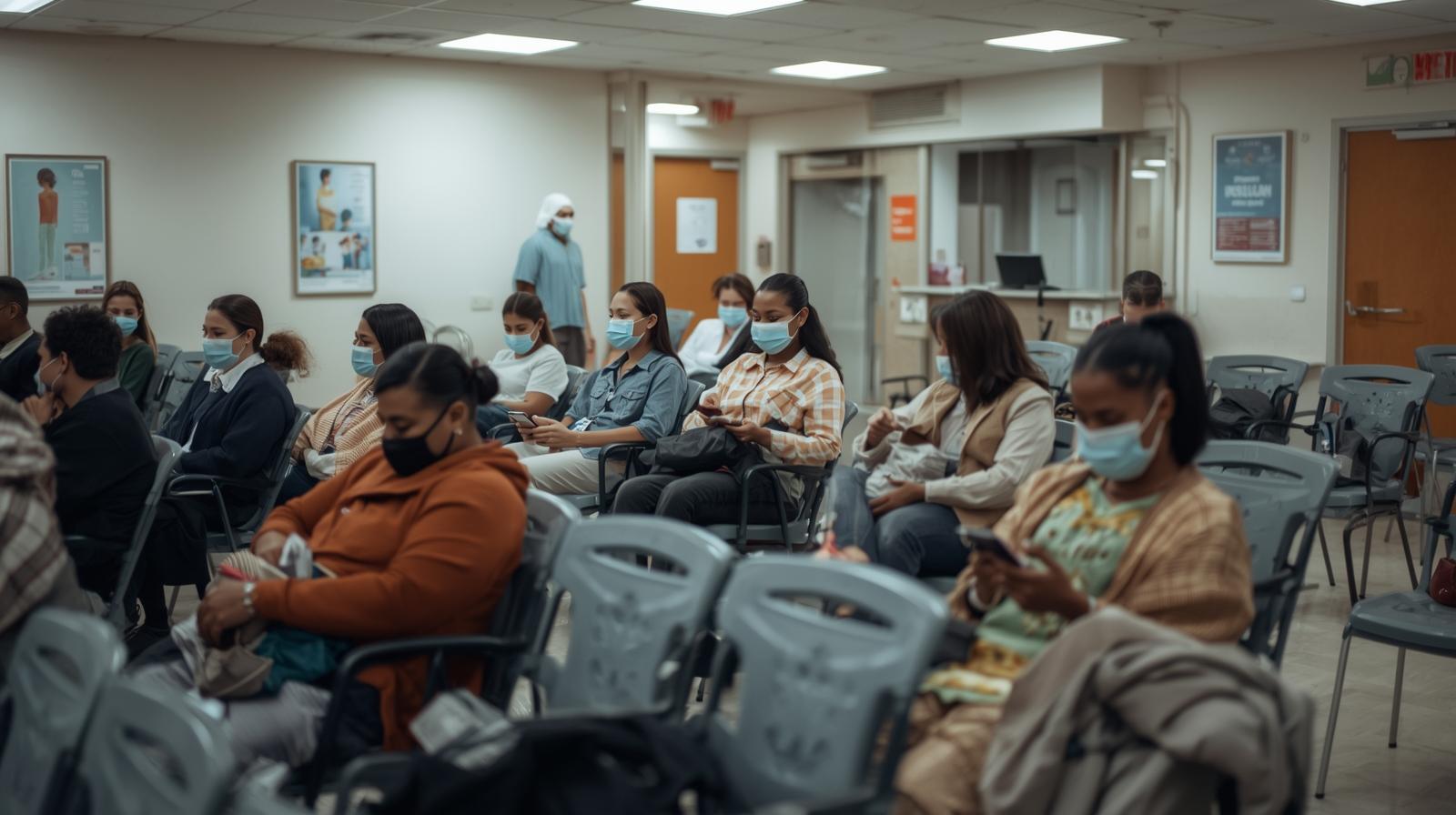
As winter sets in across the United States, several infectious diseases are spreading rapidly. From respiratory illnesses like COVID-19 Pirola BA.2.86 and influenza to stomach bugs like norovirus, and even the rare avian influenza A (H5N5), public health officials are urging communities to stay vigilant. Here’s a breakdown of the current situation and practical steps to protect yourself.
🦠 Current Outbreaks
- COVID-19 Pirola BA.2.86 Variant
- Cases rising nationwide as colder weather drives people indoors. Current 2025-2026 COVID-19 vaccines provide enhanced protection against Pirola lineage variants, highlighting why updated boosters remain crucial for vulnerable populations despite the virus's continued evolution.
- Symptoms: Fever, cough, fatigue, loss of taste or smell.
- Prevention: Vaccination, boosters, mask use in crowded places, and good ventilation.
- Seasonal Influenza (Flu)
- Dominant strain: Influenza A (H3N2).
- Symptoms: Sudden fever, chills, sore throat, muscle aches.
- Prevention: Annual flu shots, hand hygiene, and avoiding close contact with sick individuals.
- Norovirus (Stomach Bug)
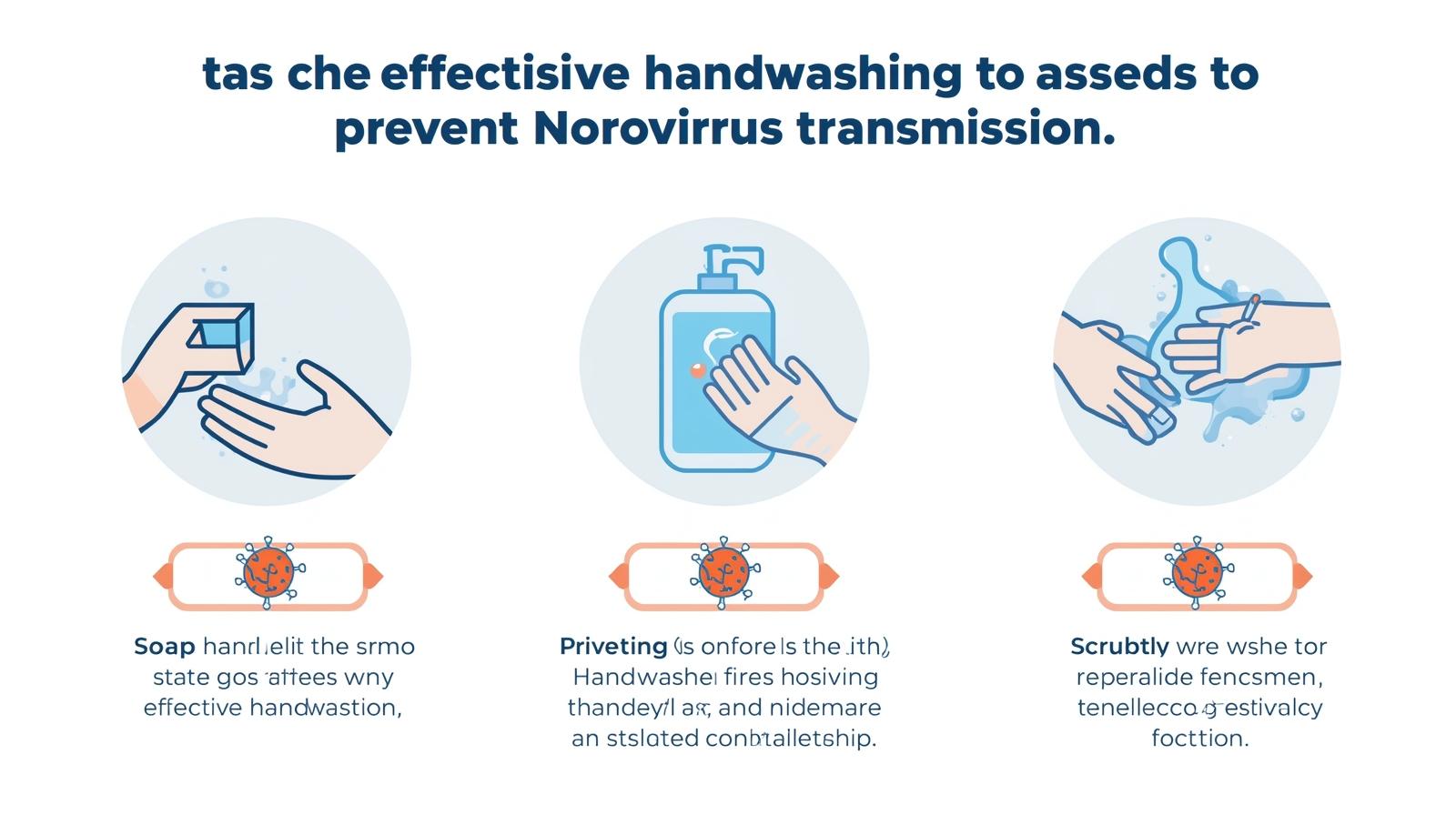
- Highly contagious and spreading in schools, workplaces, and care facilities.
- Symptoms: Vomiting, diarrhea, stomach cramps.
- Prevention: Frequent handwashing (soap and water), disinfecting surfaces, and safe food handling.
- Avian Influenza A (H5N5)
- First global human case confirmed in the U.S. on November 15, 2025.
- Symptoms: Similar to flu but can be more severe.
- Prevention: Avoid contact with sick or dead birds, follow CDC advisories.
✅ How to Stay Protected
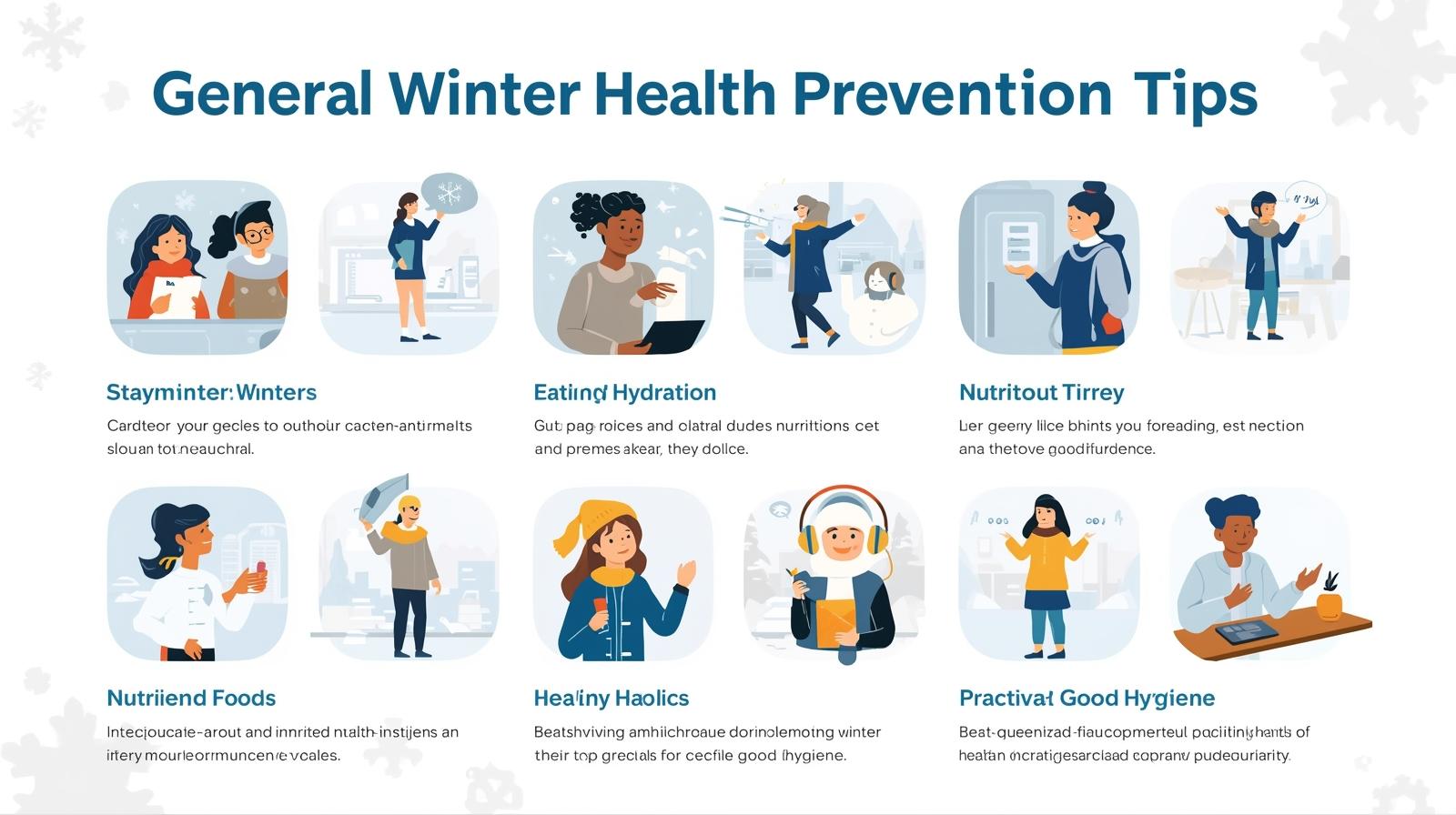
- Get Vaccinated: Stay up to date with COVID-19 boosters and annual flu shots.
- Practice Hygiene: Wash hands thoroughly, disinfect surfaces, and avoid sharing utensils.
- Use Masks Wisely: Wear masks in crowded indoor spaces during peak flu and COVID seasons.
- Stay Home When Sick: Prevent spreading illness by resting at home if symptomatic.
- Follow Official Updates: Monitor CDC and WHO advisories for emerging threats.
- Stay Hydrated: Especially important for norovirus and flu recovery.
📊 Quick Comparison Table
|
Disease |
Main Symptoms |
Transmission |
Prevention Strategy |
|
COVID-19 |
Fever, cough, fatigue |
Airborne droplets |
Vaccination, masks |
|
Influenza (Flu) |
Fever, chills, sore throat |
Airborne droplets |
Annual flu shot |
|
Norovirus |
Vomiting, diarrhea, cramps |
Contaminated food/surfaces |
Handwashing, sanitation |
|
Avian Influenza A (H5N5) |
Severe flu-like symptoms |
Animal exposure |
Avoid sick birds, CDC guidance |
🌍 Final Word
The U.S. is facing a multi-disease winter season, with COVID-19, flu, norovirus, and the rare H5N5 avian influenza all in circulation. By staying informed, practicing hygiene, and following vaccination guidelines, communities can reduce transmission and protect vulnerable populations.