Master Your Money in 2026: 8 Expert-Backed Financial Strategies for Indians and Americans

As we step into 2026, financial anxiety is at an all-time high. With 84% of Americans making financial resolutions and 64% prioritizing short-term savings, it's clear that families worldwide are focusing on financial security. Whether you're in New York or New Delhi, the financial challenges are similar: inflation concerns, rising costs, and the need for better money management.
The good news? Financial experts have identified clear strategies that work regardless of your starting point. Here's your comprehensive guide to mastering your finances in 2026.
- Build Your Emergency Fund: The #1 Priority for 2026
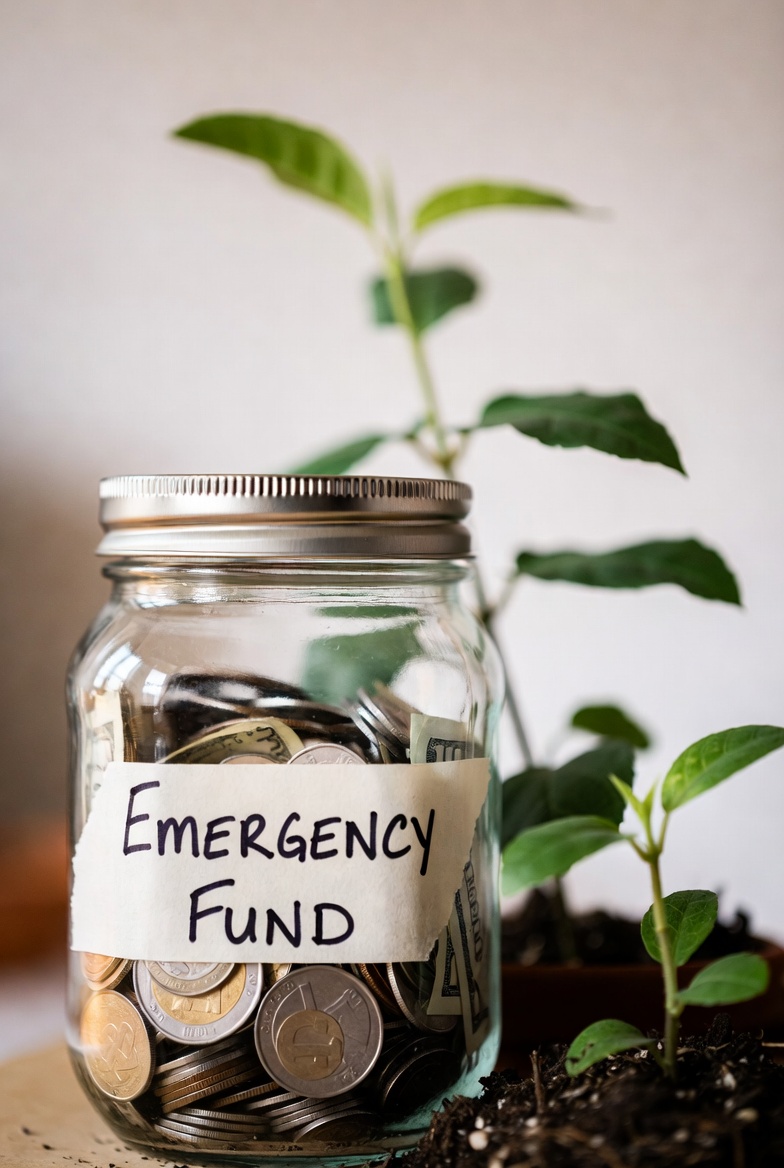
Financial experts agree: an emergency fund is your first line of defense against financial stress.
The Reality: 25% of Americans want to build their emergency fund in 2026, and for good reason—nearly three-quarters dealt with a financial setback last year.
How Much You Need:
Minimum Safety Net:
- 3 months of essential expenses
- Covers: rent/mortgage, utilities, food, insurance, transportation
- Example: If monthly essentials are $3,000, save $9,000
Standard Recommendation:
- 6 months of essential expenses
- Better protection for job loss or extended emergencies
- Example: $3,000 monthly expenses = $18,000 emergency fund
Maximum Security:
- 9-12 months of expenses
- Recommended for: self-employed, single income households, health concerns
- Example: $3,000 monthly = $27,000-36,000 fund
Indian Context:
- Minimum: ₹2-3 lakhs for middle-class families
- Standard: ₹4-6 lakhs recommended
- Store in high-interest savings accounts (currently 6-7% in India)
- Keep liquid—FDs, liquid mutual funds, or savings accounts
American Context:
- Minimum: $10,000-15,000 for most households
- Standard: $20,000-30,000 recommended
- Use high-yield savings accounts (currently 4.0-4.5% APY)
- Separate from checking account to avoid temptation
Building It Fast:
Month 1-3: Save $1,000 starter emergency fund Month 4-12: Automatic transfers of 10-20% of income Year 2: Continue until reaching 3-6 months expenses
Automation is Key:
- Set up automatic transfer day after payday
- Treat it like a non-negotiable bill
- Use "pay yourself first" principle
- The Debt Avalanche: Eliminate High-Interest Debt

With credit card delinquencies above pre-pandemic levels (7.05% of balances 90+ days overdue), tackling debt is crucial.
The Avalanche Method (Most Effective):
Step 1: List all debts with interest rates Step 2: Make minimum payments on everything Step 3: Attack highest APR debt aggressively Step 4: Roll payment to next highest APR when first is paid off
Example:
- Credit Card A: $5,000 @ 24% APR → Pay $500/month
- Credit Card B: $3,000 @ 19% APR → Pay minimum ($90)
- Car Loan: $15,000 @ 8% APR → Pay minimum ($350)
- Student Loan: $20,000 @ 5% APR → Pay minimum ($215)
Why It Works: You save the most on interest by eliminating highest-rate debts first. Over 3 years, this method saves $2,000-5,000 compared to other approaches.
Indian Scenario:
Prioritize:
- Credit cards: 36-42% APR → Kill these first
- Personal loans: 12-18% → Second priority
- Car loans: 9-11% → Third priority
- Home loan: 8-9% → Pay minimum until others cleared
American Scenario:
Prioritize:
- Payday loans: 400%+ APR → Emergency: pay immediately
- Credit cards: 18-29% APR → Primary focus
- Personal loans: 8-15% → Secondary focus
- Federal student loans: 4-7% → Lower priority
- Mortgage: 6-7% → Usually lowest priority
Debt Reduction Timeline:
$10,000 total debt at 20% average APR:
- Paying minimums only: 15+ years, $20,000+ interest
- $500/month aggressive: 24 months, $2,400 interest
- $750/month very aggressive: 15 months, $1,500 interest
The savings in time and interest are massive with aggressive repayment.
- AI-Powered Budgeting: Let Technology Do the Work
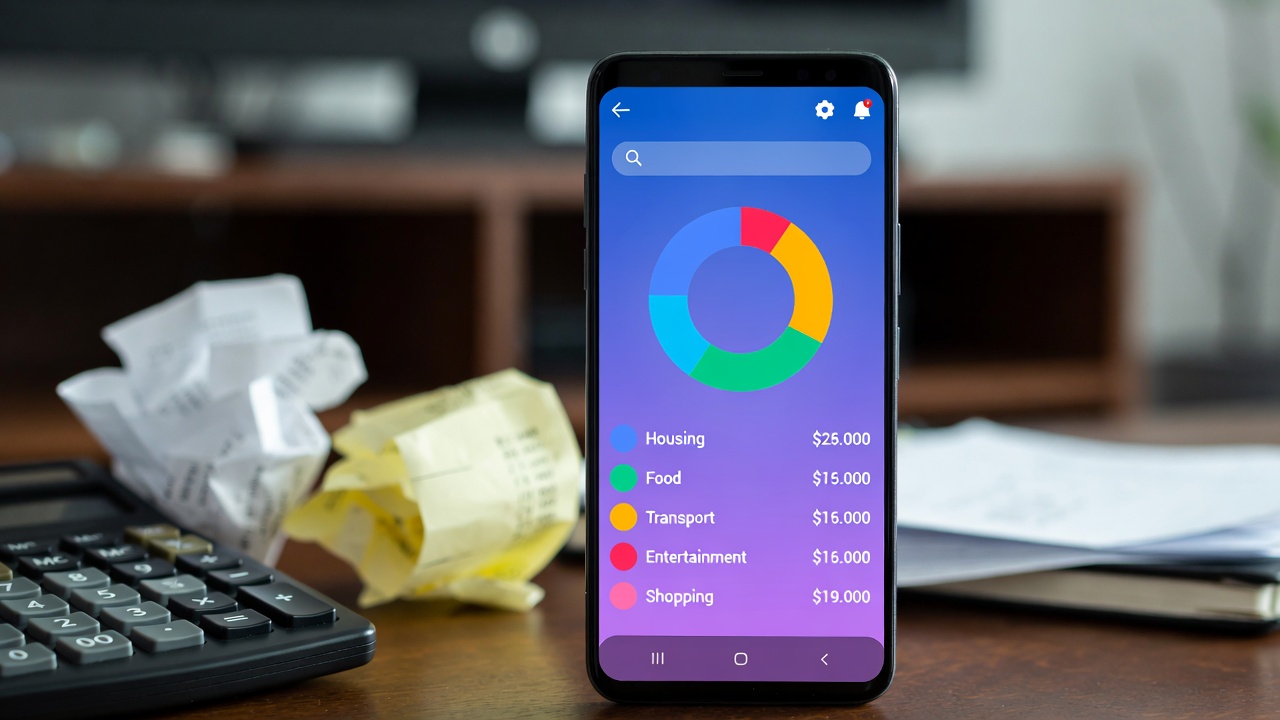
2026's biggest money management shift? AI and automation taking over the heavy lifting.
The 50/30/20 Budget (Recommended by Experts):
- 50% → Essentials (rent, utilities, food, insurance, minimum debt payments)
- 30% → Lifestyle (dining out, entertainment, hobbies, travel)
- 20% → Goals (savings, debt payoff above minimums, investments)
Indian Adaptation (with joint families):
- 40% → Essentials (lower due to shared housing)
- 30% → Lifestyle + family obligations
- 30% → Savings and investments (Indian culture emphasizes saving)
AI Tools Making It Easy:
Free Options:
- Mint: Connects to bank accounts, categorizes automatically
- YNAB (You Need A Budget): Zero-based budgeting
- PocketGuard: Shows how much safe to spend
- Personal Capital: Great for investments + budgeting
Indian Options:
- Walnut: Popular Indian budgeting app
- Money View: Expense tracking + credit insights
- ET Money: Mutual fund investing + expense tracking
- Expense Manager: Simple, effective tracking
Why AI Budgeting Works:
- Automatically categorizes transactions
- Sends alerts for overspending
- Identifies subscription waste
- Shows spending patterns you didn't notice
- Removes emotional spending decisions
Hidden Savings AI Usually Finds:
- Unused subscriptions: $200-500/year (₹15,000-40,000)
- Bank fees: $100-300/year (₹8,000-25,000)
- Duplicate services: $150-400/year (₹12,000-30,000)
- Impulse purchases reduced: $500-1,500/year (₹40,000-1,20,000)
- Maximize High-Yield Savings (While Rates Are Still Good)
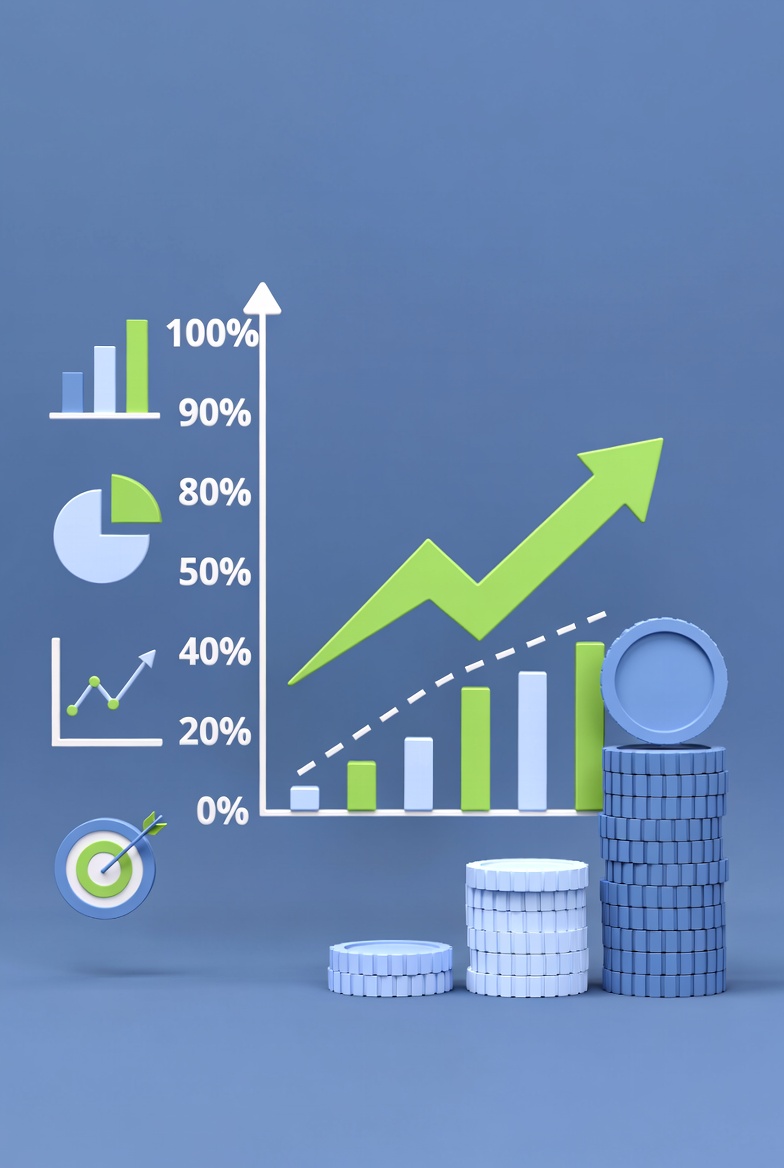
Interest rates on savings accounts have been elevated, but experts predict they'll decrease in 2026.
Current Rates (January 2026):
United States:
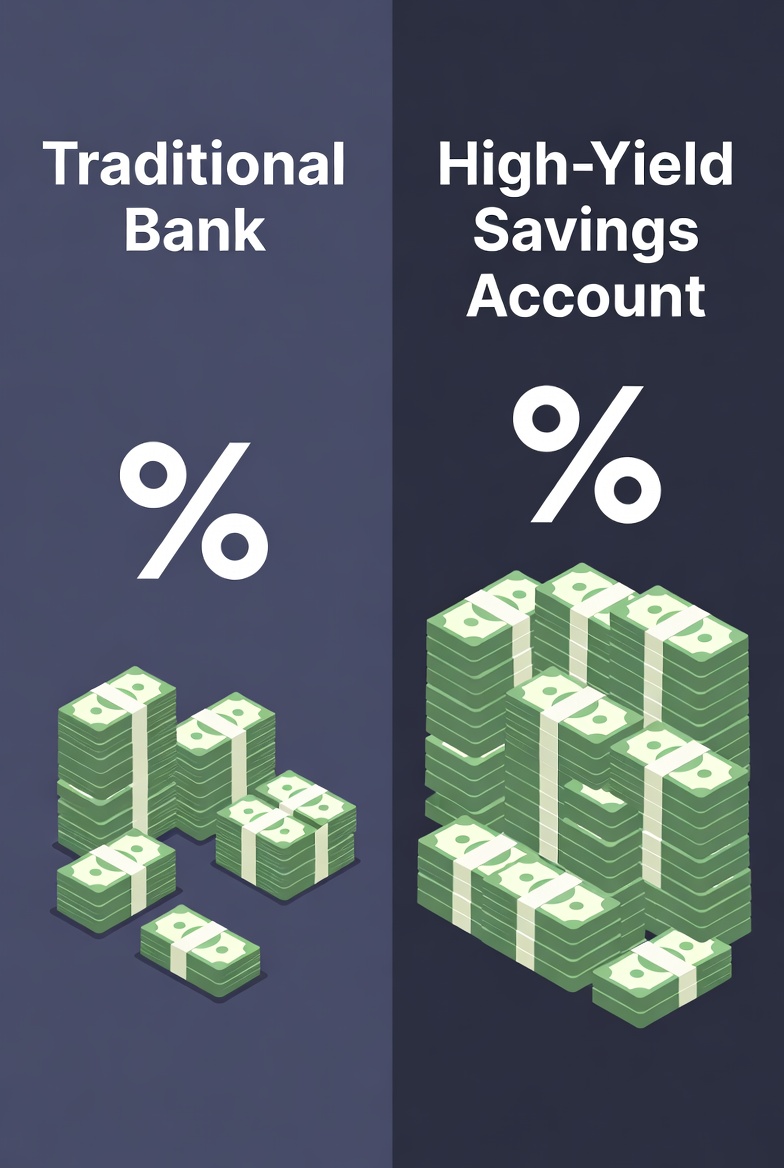
- Traditional banks: 0.01-0.50% APY
- High-yield savings: 4.00-4.50% APY
- CDs (12-month): 4.50-5.00% APY
India:
- Savings accounts: 3.0-4.0% (major banks)
- High-interest savings: 6.0-7.0% (digital banks)
- Fixed deposits: 6.5-7.5% (12-month)
The Math:
$10,000 in traditional bank @ 0.1%: Earns $10/year $10,000 in high-yield @ 4.5%: Earns $450/year Difference: $440/year doing nothing different
₹5,00,000 in traditional bank @ 3.0%: Earns ₹15,000/year ₹5,00,000 in high-yield @ 7.0%: Earns ₹35,000/year Difference: ₹20,000/year doing nothing different
Best High-Yield Savings Banks (US):
- Marcus by Goldman Sachs: 4.40% APY
- Ally Bank: 4.35% APY
- American Express Personal Savings: 4.30% APY
- CIT Bank: 4.55% APY
- Capital One 360: 4.30% APY
Best High-Interest Banks (India):
- DBS Bank: 7.00%
- IndusInd Bank: 6.75%
- RBL Bank: 7.00%
- AU Small Finance Bank: 7.25%
- Ujjivan Small Finance Bank: 7.25%
Strategy: Move emergency fund to high-yield accounts immediately. Even if rates drop to 3-3.5% (US) or 5-6% (India) later in 2026, you'll have earned maximum interest early in the year.
- Smart Investing: Start Now, Not "When You Have More Money"
The Biggest Investing Myths Debunked:
Myth 1: "I need $10,000 to start investing" Reality: You can start with $50-100/month
Myth 2: "Investing is risky and I'll lose money" Reality: Not investing is riskier due to inflation
Myth 3: "I need to know a lot about stocks" Reality: Index funds require zero stock-picking knowledge
The Power of Starting Early:
Scenario 1: Start at Age 25
- Invest $300/month for 40 years
- 8% average annual return
- Age 65 balance: $1,036,000
Scenario 2: Start at Age 35
- Invest $300/month for 30 years
- 8% average annual return
- Age 65 balance: $449,000
10-year delay = $587,000 less retirement money
Beginner Investment Strategy:
For Americans:
Level 1 (First $6,000): Max out Roth IRA
- Vanguard Total Stock Market Index (VTSAX)
- Fidelity Total Market Index (FSKAX)
- Schwab Total Stock Market (SWTSX)
Level 2 (Next $10,000): 401(k) to employer match
- Free money—always take the full match
- Typical match: 3-6% of salary
Level 3 (After match): Continue maxing Roth IRA ($7,000 limit in 2026)
Level 4: Max 401(k) ($24,000 limit in 2026)
For Indians:
Level 1 (First ₹50,000): PPF or ELSS (for tax benefit)
- PPF: 7.1% guaranteed, tax-free
- ELSS: Equity exposure, 3-year lock, 80C benefit
Level 2 (Next ₹1,00,000): Index mutual funds
- Nifty 50 Index Fund
- Nifty Next 50 Index Fund
- S&P BSE Sensex Index Fund
Level 3 (After ₹1.5L): Diversify with debt funds
- 70% equity (index funds)
- 30% debt (for stability)
Level 4 (Long-term): NPS (National Pension System)
- Additional tax benefit under 80CCD
- Good for retirement planning
Simple Rules:
- Start with index funds (low cost, diversified)
- Invest consistently every month (rupee/dollar cost averaging)
- Don't try to time the market
- Ignore short-term volatility
- Think 10-20+ year timeline
- Mortgage Strategy: Refinance or Wait?
Mortgage rates have stabilized in 2026, creating strategic opportunities.
Current Mortgage Rate Outlook:
United States:
- 30-year fixed: ~6.1-6.4% (January 2026)
- 15-year fixed: ~5.4-5.7%
- Forecast Q4 2026: 5.9-6.2%
India:
- Home loan rates: 8.5-9.5%
- Expected trajectory: Stable to slight decrease
- Forecast end-2026: 8.0-9.0%
Should You Refinance?
The 1% Rule: Refinancing makes sense if you can reduce rate by at least 1%.
Example (US):
- Current mortgage: $300,000 at 7.0% = $1,996/month
- Refinanced to 6.0%: $300,000 = $1,799/month
- Savings: $197/month = $2,364/year
Refinancing costs: $3,000-6,000 Break-even: 15-30 months If staying in home 3+ years: Definitely refinance
Example (India):
- Current loan: ₹50,00,000 at 9.5% = ₹44,986/month
- Refinanced to 8.5%: ₹50,00,000 = ₹42,653/month
- Savings: ₹2,333/month = ₹27,996/year
Refinancing costs: ₹25,000-50,000 Break-even: 10-22 months If staying 2+ years: Consider refinancing
Wait to Refinance If:
- Rates expected to drop another 0.5-1% by mid-2026
- You plan to move within 2 years
- Your credit score improved significantly (wait to boost it more)
- Side Hustle Economics: The Gig Economy in 2026
With nearly 80% of Americans living paycheck to paycheck, side income is increasingly necessary.
Realistic Side Hustle Income:
Tier 1: Micro-hustles ($200-500/month):
- Freelance writing on Fiverr/Upwork
- Online tutoring (Chegg, Vedantu in India)
- Food delivery (DoorDash, Swiggy, Zomato)
- Virtual assistant tasks
Tier 2: Part-time hustles ($500-1,500/month):
- Professional freelancing (design, coding, marketing)
- Teaching online courses (Udemy, Skillshare)
- E-commerce (Etsy, Amazon, Meesho)
- Specialized tutoring (SAT prep, coding)
Tier 3: Business-level hustles ($1,500-5,000/month):
- Consulting in your profession
- Full-fledged online business
- Content creation (YouTube, blogging with monetization)
- Real estate investing (after building capital)
Indian Opportunities:
- Online tutoring demand is massive
- Content creation in regional languages (underserved market)
- Digital marketing for small businesses
- Freelance tech work (global client access)
American Opportunities:
- Gig economy platforms are mature and reliable
- Remote work enables multiple income streams
- Consulting rates are higher than employee wages
- Side businesses have tax advantages
Tax Implications:
US: Side income over $400 requires Schedule C filing India: Side income over ₹2.5 lakhs taxable under income tax
Important: Set aside 25-30% of side hustle income for taxes.
- Financial Automation: Set It and Forget It
The secret to financial success in 2026? Automate everything.
Automate These 10 Things:
- Emergency fund contributions (10% of paycheck)
- Retirement investing (401k, IRA, PPF)
- Bill payments (never pay late fees)
- Debt payments above minimums (accelerate payoff)
- Savings goals (vacation, down payment)
- Investment contributions (dollar/rupee cost averaging)
- Insurance premiums (health, life, disability)
- Rent/mortgage payment (never miss)
- Utility bills (set and forget)
- Subscription management (AI tools flag unused)
The Psychology: Making savings/investing automatic removes willpower from the equation. You can't spend what you don't see.
Set Up Day: Dedicate 2 hours this weekend to automate your finances. Future you will thank you.
Your 2026 Financial Action Plan
Month 1: Foundation
- Open high-yield savings account
- Move emergency fund money
- Set up automatic savings (10% of income)
- Download budgeting app
Month 2-3: Debt Assault
- List all debts by APR
- Create avalanche payment plan
- Automate debt payments
- Cut one major expense to accelerate
Month 4-6: Investing Begins
- Open investment accounts (IRA/PPF)
- Start with index funds
- Automate monthly contributions
- Learn basics (read 1-2 investing books)
Month 7-12: Optimization
- Review and adjust budget
- Consider refinancing if beneficial
- Explore side hustle options
- Increase investment contributions
Year 2+: Wealth Building
- Emergency fund complete
- Debt significantly reduced or eliminated
- Consistent investing habit established
- Side income streams developed
- Net worth growing monthly
The Bottom Line: Small Steps Create Big Results
You don't need to be perfect. You need to be consistent.
If you only do 3 things in 2026:
- Automate 10-20% savings every paycheck
- Attack high-interest debt aggressively
- Start investing, even with small amounts
These three actions, maintained for 12 months, will transform your financial position. The families who master money in 2026 won't be the ones earning the most—they'll be the ones automating the best.
The compound effect is real: Small financial wins today become massive financial security in 5-10 years.
Start this week. Start small. But start.
What's your #1 financial goal for 2026? Share in the comments and let's support each other's financial journeys!