CES 2026's Game-Changing Smart Home Tech: IKEA's Affordable Revolution and What It Means for Your Home
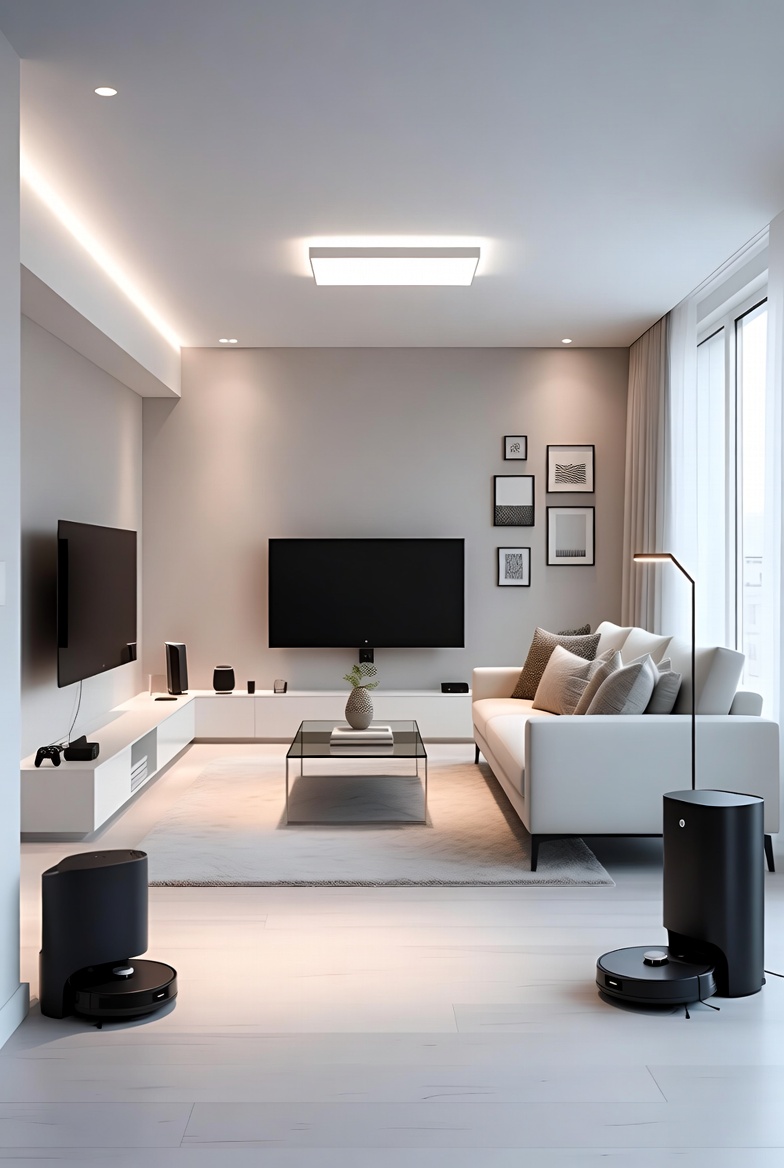
The world's largest tech show, CES 2026, just wrapped up in Las Vegas, and the smart home landscape has been completely transformed. If you've been holding back on smart home upgrades because of high costs or compatibility nightmares, this year's announcements will change your mind. From IKEA's revolutionary affordable smart devices to stair-climbing robot vacuums, here's everything you need to know about the smart home innovations coming to your doorstep in 2026.
IKEA's Smart Home Revolution: Finally, Affordable Smart Living
The biggest surprise at CES 2026? IKEA's debut at the show, and they didn't disappoint. The Swedish furniture giant unveiled a complete range of Matter-compatible smart home devices that are set to democratize smart home technology.
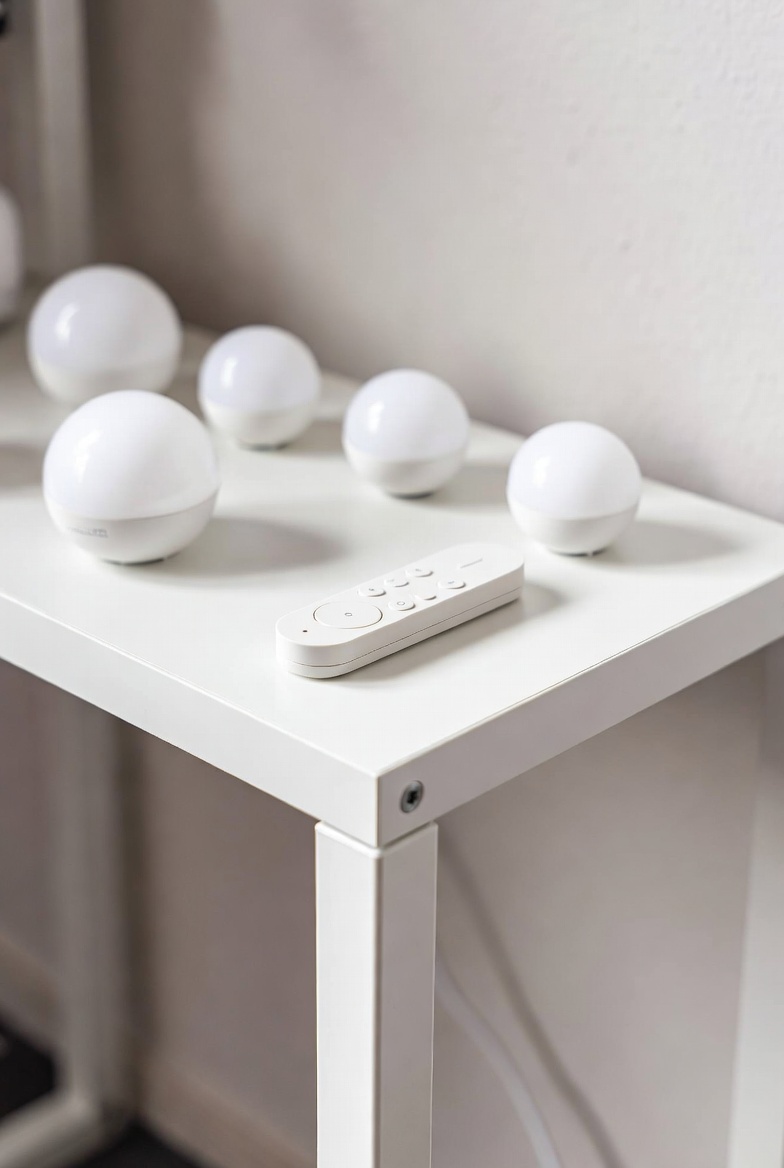
What's Coming:
- Smart bulbs starting at just $6 (yes, you read that right)
- Smart plugs for $8
- Smart remotes at $6
- Home sensors at competitive prices
- A premium globe bulb at $15 that actually looks beautiful
The Game Changer: That magnetic BILREA remote control. One of the biggest frustrations with smart home systems? Losing the remote. IKEA solved this with a magnetically mounted controller that snaps to walls, furniture, or your fridge. It's intuitive, affordable, and compatible with both IKEA's DIRIGERA hub and other Matter hubs you might already own.
Why This Matters for Indians: With prices starting at approximately ₹500 for a smart bulb, IKEA is making smart homes accessible to middle-class families across India. No longer do you need to spend ₹4,000+ on a single smart bulb.
Why This Matters for Americans: After years of expensive options from brands like Philips Hue (often $50+ per bulb), IKEA is forcing the entire industry to reconsider their pricing. This is the democratization of smart home tech we've been waiting for.
Stair-Climbing Robot Vacuums: The Final Frontier
Robot vacuums have been stuck on single floors for too long. CES 2026 finally solved this problem, with Roborock's Saros Rover leading the charge.
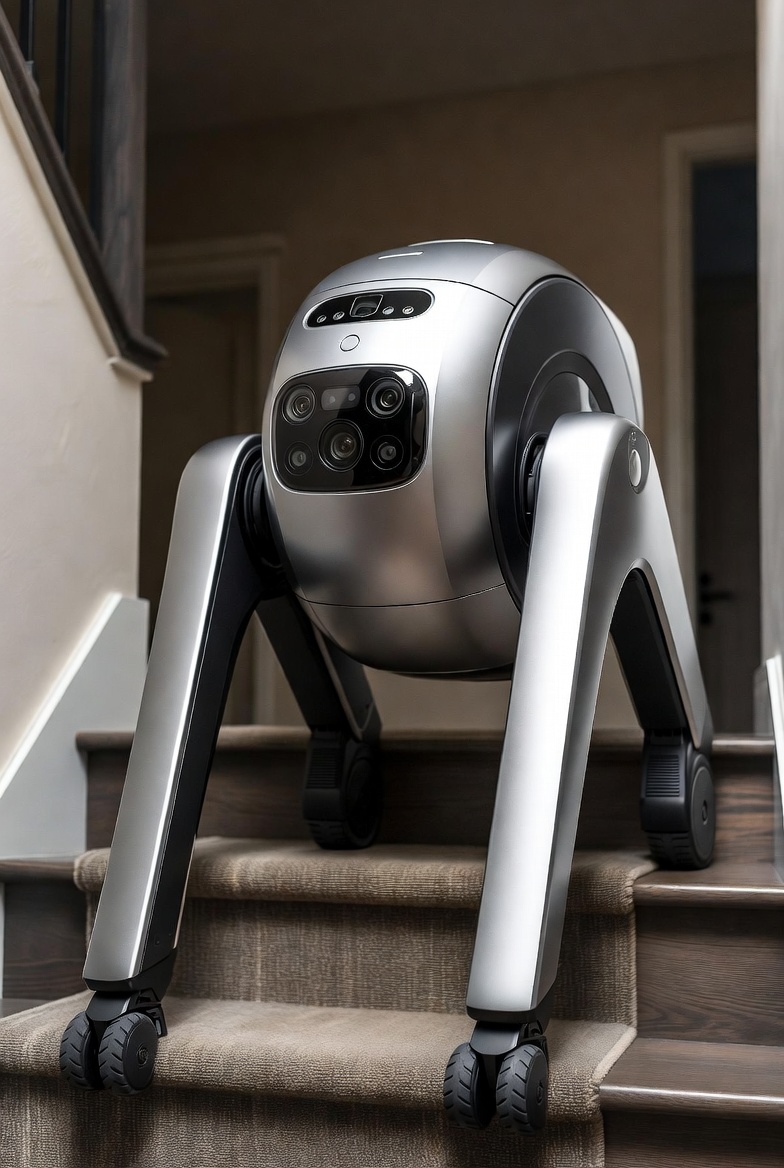
The Innovation: Two extendable legs with wheels that literally lift the vacuum up stairs, one step at a time. But it's not just about climbing—these legs enable:
- Quick 360-degree turns
- Navigation over uneven surfaces
- Better cleaning on carpets and rugs
- Elimination of "no-go zones" in your home
Real-World Impact: If you live in a two-story home (common in suburban America and increasingly popular in Indian metros like Bangalore and Hyderabad), this means one robot can clean your entire house. No more carrying it upstairs or buying multiple units.
The Catch: Pricing and exact launch dates haven't been announced, but expect this premium feature to add $200-400 to standard robot vacuum prices.
AI-Powered Kitchen Appliances: Your Fridge Now Thinks
Samsung's Family Hub refrigerator got a massive AI upgrade at CES 2026, powered by Google's Gemini.
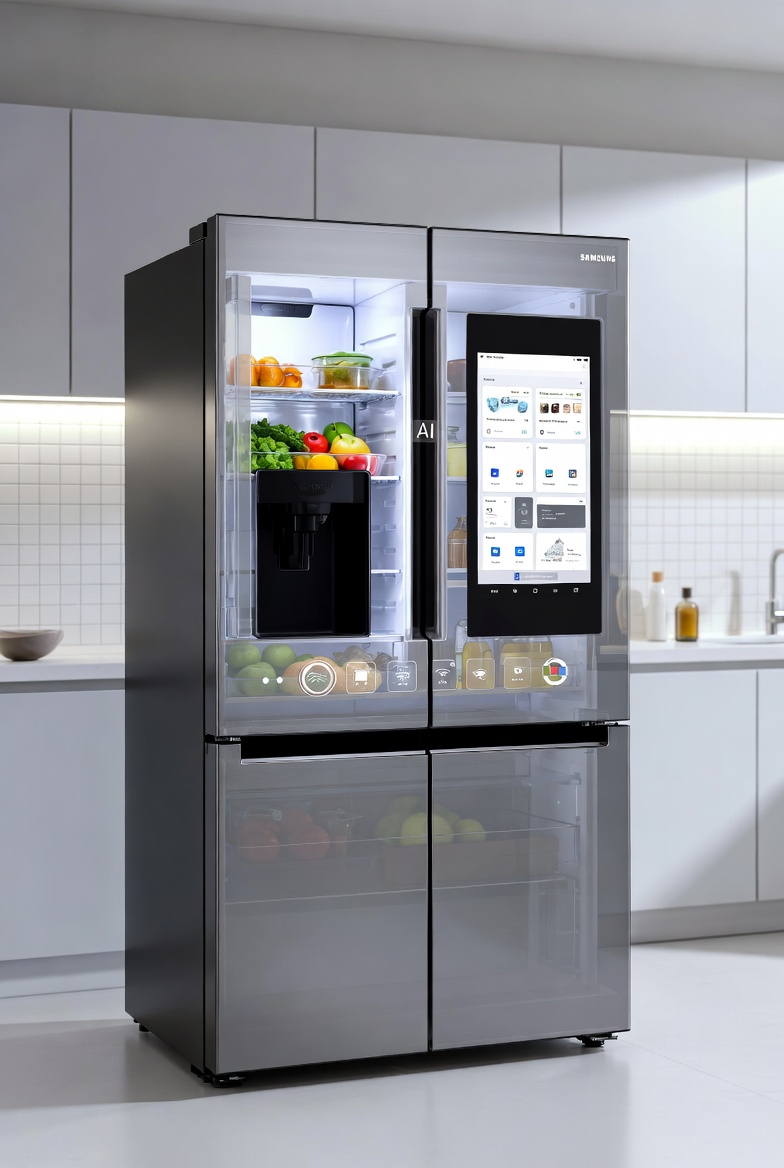
What's New:
- The internal camera can now accurately identify every food item you add or remove
- It reads expiration dates on labels
- Suggests recipes based on what you actually have
- Alerts you when milk is about to expire
- Recommends meal plans for the week
From Indian Perspective: Imagine a fridge that understands your dal, sabzi, and roti ingredients, suggesting fusion recipes or traditional meals based on what's available. This is particularly useful for large Indian families managing multiple dietary preferences.
From American Perspective: Finally, an end to food waste. Americans waste approximately 40% of food purchased. An AI fridge that tracks everything could save the average family $1,500 annually.
Smart Lighting That Actually Looks Good
For years, smart bulbs have been functionally great but aesthetically terrible. CES 2026 changed that.
IKEA's TEKLAN Lamps: Playful, modern designs that don't scream "tech gadget." These Matter-compatible lamps blend into Scandinavian, modern, and even traditional home decor.
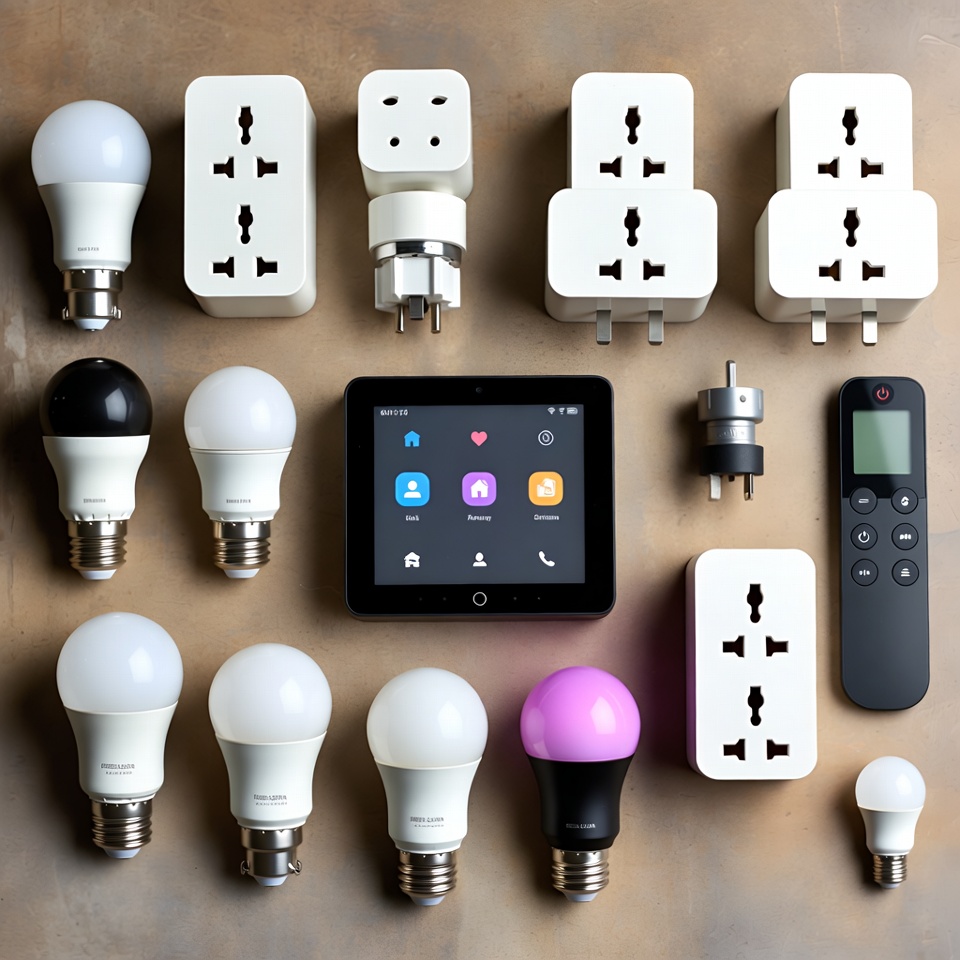
Why Design Matters: Smart home adoption has been slow partly because devices look out of place in well-designed homes. When your smart lamp looks as good as your regular lamp, there's no barrier to upgrading.
What is Matter, and Why Should You Care?
You'll see "Matter-compatible" mentioned throughout CES 2026 coverage. Here's what you need to know:
Matter is a new smart home standard that makes devices from different brands work together seamlessly. Before Matter:
- Needed specific hubs for each brand
- Apps didn't talk to each other
- Setup was complicated
With Matter:
- One hub controls everything
- Devices work across Apple, Google, Amazon ecosystems
- Much simpler setup
For Homeowners: You can finally mix and match brands without compatibility headaches. IKEA bulbs work with your Samsung SmartThings hub and Google Assistant simultaneously.
The Budget-Friendly Smart Home Setup for 2026
Based on CES 2026 announcements, here's how you can create a complete smart home without breaking the bank:
Starter Package (~$200 / ₹16,000):
- 4 IKEA smart bulbs: $24
- 2 IKEA smart plugs: $16
- 1 BILREA remote: $6
- 1 Matter hub (if needed): $50-100
- Motion sensors (2): $30-50
- Door/window sensors (2): $30-50
Mid-Range Package (~$800 / ₹65,000):
- Everything from Starter Package
- Stair-climbing robot vacuum: $400-600
- Smart thermostat: $120-180
- Video doorbell: $100-150
- Smart lock: $150-200
Premium Package (~$2,500 / ₹2,00,000):
- Everything from Mid-Range Package
- Samsung Family Hub AI fridge: $3,000+ (financing available)
- LG Wallpaper TV: Starting $2,500
- Whole-home smart lighting: $300-500
- Smart window shades: $400-800
Energy Savings: The Hidden Benefit
Smart home devices aren't just about convenience—they're about savings too.
Average Annual Savings:
- Smart thermostat: $100-180 (US) / ₹8,000-15,000 (India)
- Smart lighting: $50-100 (US) / ₹4,000-8,000 (India)
- Smart plugs (eliminating phantom power): $30-60 (US) / ₹2,500-5,000 (India)
- Smart appliances (optimizing usage): $80-150 (US) / ₹6,000-12,000 (India)
Total Potential Savings: $260-490/year (US) or ₹20,000-40,000/year (India)
With these savings, many smart home investments pay for themselves within 2-3 years.
What to Buy Now vs. Wait For
Buy Now:
- Smart bulbs (prices unlikely to drop further)
- Smart plugs (already affordable)
- Smart thermostats (save money immediately)
Wait Until Q2-Q3 2026:
- Stair-climbing robot vacuums (let them work out bugs)
- AI-powered fridges (early adopter premium is high)
- Advanced smart speakers (new models expected mid-year)
Consider Waiting Until 2027:
- Whole-home automation systems (Matter will mature more)
- Smart windows/glass (still experimental and expensive)
- Kitchen robots (not quite ready for prime time)
The Indian Market: What's Actually Coming Here?
Not all CES announcements make it to India immediately. Based on historical patterns:
Definitely Coming to India (2026):
- IKEA smart home range (IKEA already has strong India presence)
- Samsung Family Hub (Samsung prioritizes India market)
- Standard robot vacuums (high demand in metros)
- Smart doorbells and locks (security concerns drive adoption)
Maybe Coming to India (Late 2026-2027):
- Stair-climbing robot vacuums (premium pricing)
- Advanced smart appliances (after US/Europe launch)
- Niche smart home gadgets (market testing needed)
Probably Not Coming Soon:
- Experimental devices shown at CES
- Ultra-premium ($5,000+) gadgets
- Products without 220V compatibility
Privacy and Security: What You Need to Know
With AI-powered devices in your home, privacy matters more than ever.
Best Practices:
- Change default passwords immediately
- Enable two-factor authentication on all smart home apps
- Keep firmware updated (most devices auto-update now)
- Create a separate Wi-Fi network for smart home devices
- Review privacy settings for camera and microphone access
- Check data sharing policies before buying
The IKEA Advantage: European companies like IKEA are subject to strict GDPR regulations, meaning stronger privacy protections by default.
Installation and Setup: Easier Than You Think
One concern about smart homes? Complex installation. CES 2026 devices are focusing on DIY-friendly setups.
Average Setup Times:
- Smart bulbs: 2-5 minutes each
- Smart plugs: 1-3 minutes each
- Robot vacuums: 10-15 minutes
- Smart thermostats: 20-30 minutes (or professional installation)
- Whole-home systems: 2-4 hours
Pro Tip: Start with 2-3 devices in one room. Get comfortable with the technology before expanding throughout your home.
The Bottom Line: Is 2026 the Year to Go Smart?
After CES 2026, the answer is a resounding yes—especially if you've been waiting for:
- Affordable options (IKEA's pricing changes everything)
- Better compatibility (Matter is finally mainstream)
- Real utility (stair-climbing vacuums, AI fridges that actually work)
- Good design (devices that fit your home aesthetic)
The smart home revolution has moved from "tech enthusiast territory" to "practical for everyone." With IKEA's entry at affordable price points and genuine innovations like stair-climbing robots, 2026 is the perfect year to start or expand your smart home.
Final Recommendation: Start with IKEA's affordable basics when they launch (expected January-February 2026). Test the ecosystem. If you like it, expand gradually. Your home—and your wallet—will thank you.
Related Reading:
- Best Smart Home Hubs for Indian Homes in 2026
- Smart Home Energy Savings Calculator
- How to Choose Between Alexa, Google Home, and Apple HomeKit
What smart home tech from CES 2026 are you most excited about? Share in the comments below!