5 Tech Trends Transforming Daily Life in 2026
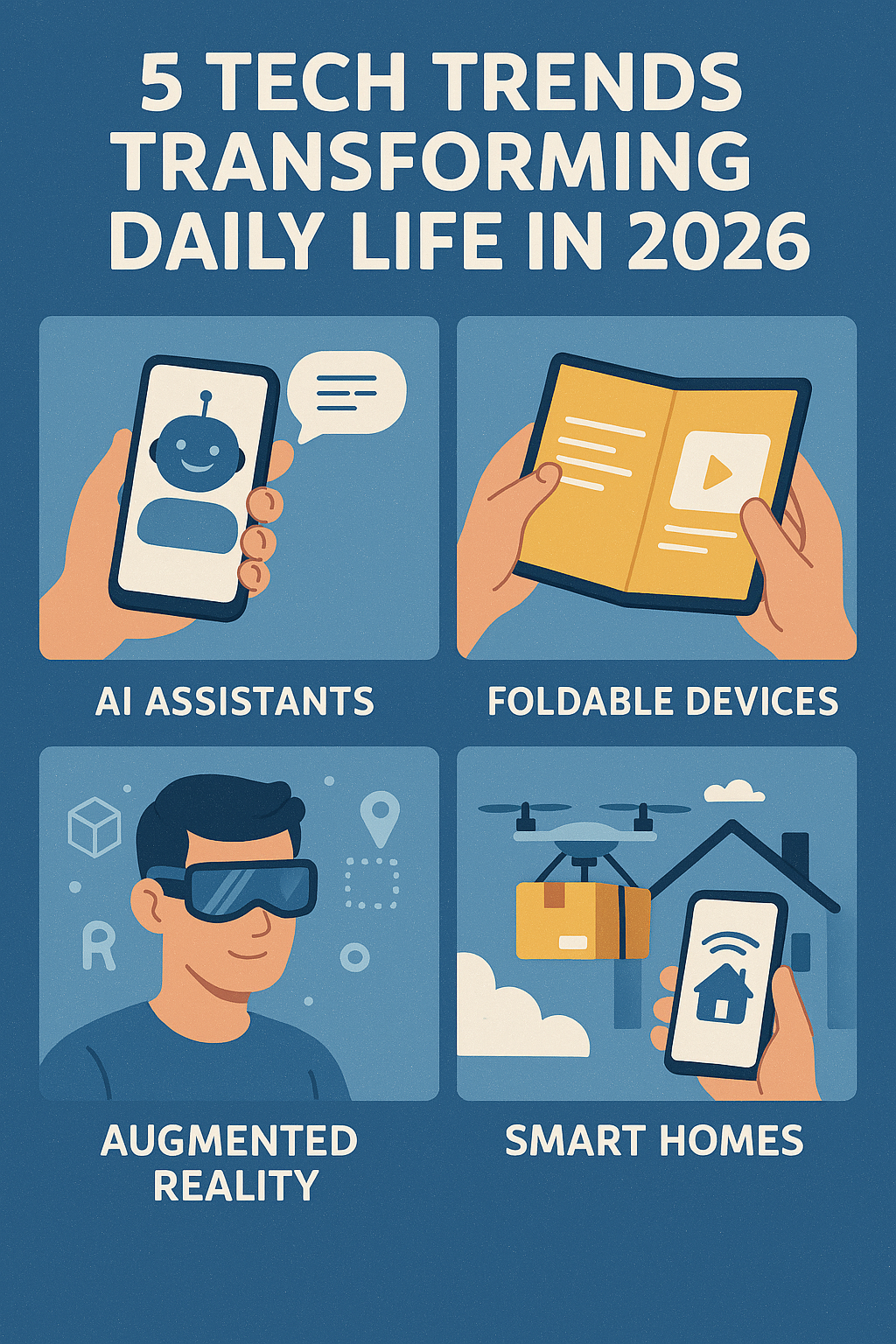
Technology isn't just evolving—it's revolutionizing how we work, live, and interact with the world. CES 2026 and recent innovations reveal five major tech trends that are moving from "early adopter territory" to "everyday essentials." Whether you're in Bangalore or Boston, these technologies will impact your daily life in 2026.
Here's what you need to know about the tech trends reshaping our world, with practical advice on when to adopt, what to skip, and how to benefit without breaking the bank.
- AI Agents: Your Digital Workforce is Here

AI has moved beyond chatbots. In 2026, AI agents are autonomous digital workers that complete complex tasks without constant supervision.
What AI Agents Can Do:
Professional Work:
- Research and summarize 50+ documents in minutes
- Draft emails, reports, and presentations in your writing style
- Schedule meetings across time zones
- Manage project workflows
- Create data visualizations from raw data
Personal Tasks:
- Plan complete vacations (flights, hotels, itinerary)
- Compare prices across 100+ websites instantly
- Manage household budgets and bill payments
- Create meal plans based on dietary needs and inventory
- Schedule appointments and manage calendars
The Reality Check:
Only 11% of organizations have AI agents in production currently, but 38% are piloting them. By late 2026, this number will surge to 40-50% as companies see productivity gains of 20-35%.
Real-World Example:
Without AI Agent:
- Research task: 4 hours of reading, note-taking, organizing
- Final report: 2 hours of writing, editing, formatting
- Total: 6 hours
With AI Agent:
- Assign research task: 5 minutes
- AI processes 100+ sources: 20 minutes
- Review and refine summary: 30 minutes
- Total: 55 minutes
Savings: 5 hours (83% time reduction)
Best AI Agents for 2026:
For Professionals:
- Claude (Anthropic): Best for research, writing, analysis ($20/month)
- ChatGPT Plus (OpenAI): Versatile, vision capabilities ($20/month)
- Microsoft Copilot: Integrated with Office 365 ($30/month)
- Google Gemini Advanced: Best for Gmail and Google Workspace ($20/month)
For Personal Use:
- Free tier of ChatGPT: Suitable for basic tasks
- Perplexity AI: Excellent for research (free tier available)
- Claude: Strong free tier, great for writing
Indian Context:
AI agents are particularly valuable for:
- Small business owners (automated customer service)
- Freelancers (client management, invoicing)
- Students (research assistance, exam preparation)
- Job seekers (resume optimization, interview prep)
Cost vs. Benefit:
$20/month AI subscription saves:
- 10-20 hours/month in research and writing
- $200-400/month if valuing time at $20/hour
- $500-1,000/month if you're a professional (₹40,000-80,000)
ROI: 10-50x return on investment
Getting Started:
- Week 1: Use free tier for simple tasks (summarize articles, brainstorm ideas)
- Week 2-3: Upgrade to paid tier, use for work projects
- Week 4: Establish daily workflow with AI assistance
- Month 2+: Optimize prompts, expand use cases
Pro Tip: AI agents work best with specific, detailed prompts. Instead of "help me with marketing," try "create a 4-week social media content calendar for a home decor brand targeting Indian millennials."
- Home Robotics: From Science Fiction to Reality

Robots are moving from factory floors to living rooms, and 2026 models are remarkably capable.
SwitchBot Onero H1: The Household Helper
Showcased at CES 2026 and shipping later this year, this wheeled humanoid robot can:
- Load and unload washing machines
- Fold laundry (slowly but accurately)
- Move items between rooms
- Handle basic cleaning tasks
- Operate household appliances
The Trade-off: Speed vs. Reliability
Current home robots work at about 30-40% human speed, but they:
- Work while you're away or sleeping
- Never get tired or distracted
- Follow instructions precisely
- Free your time for higher-value activities
Time Savings Analysis:
Weekly Household Chores (Average Family):
- Laundry: 3 hours
- General cleaning: 4 hours
- Dish management: 3 hours
- Organization: 2 hours
- Total: 12 hours/week
With Home Robot:
- Robot handles: 5 hours of tasks
- You handle: 7 hours
- Time saved: 5 hours/week = 260 hours/year
If your time is worth $25/hour: $6,500/year in value
Expected Pricing:
- Entry-level home robots: $2,000-4,000 (late 2026)
- Advanced models: $5,000-10,000 (2027-2028)
- Premium (Onero H1 level): $8,000-15,000 (2026-2027)
Should You Buy One?
Yes, if:
- Large household (4+ people)
- Both adults work full-time
- Can afford $5,000-10,000 investment
- Early adopter comfortable with imperfect technology
Wait, if:
- Small household (1-2 people)
- Already have efficient cleaning systems
- Budget-conscious (prices will drop 30-50% by 2028)
- Want fully mature technology
Indian Market Reality:
Home robots will likely enter India 12-24 months after US launch at 20-30% higher prices initially. However:
- Household help is more affordable in India
- Robot adoption will be slower than US
- Focus will be on security and delivery robots first
Better near-term investment for Indian homes: Stair-climbing robot vacuums ($400-600) provide immediate value.
- Smart Glasses: Augmented Reality Goes Mainstream

Smart glasses have failed before (remember Google Glass?), but 2026 versions are different—they actually work and look normal.
What's Changed:
2013 Google Glass: Awkward, expensive ($1,500), limited function, socially awkward 2026 Smart Glasses: Stylish, affordable ($300-600), practical features, socially acceptable
Practical Features in 2026:
Navigation:
- Turn-by-turn directions in your field of vision
- No looking down at phone while walking
- Safer for pedestrians and drivers
Translations:
- Real-time subtitle translations
- Read foreign signs instantly
- Crucial for travel
Information Overlay:
- Identify landmarks, buildings, plants
- Shopping price comparisons
- Historical context for museums
Productivity:
- Read and respond to messages hands-free
- Join video calls with AR display
- Take photos/videos from your perspective
Health Monitoring:
- Some models track eye health
- Detect early signs of conditions
- Monitor screen time and breaks
Leading Smart Glasses 2026:
Ray-Ban Meta Smart Glasses ($299-379):
- Look like normal Ray-Bans
- Built-in camera and speakers
- AI assistant integration
- 4-6 hour battery life
Amazon Echo Frames ($250-300):
- Alexa voice assistant built-in
- Open-ear audio
- Affordable entry point
Xreal Air 2 Ultra ($699):
- True AR with 6DOF tracking
- 130-inch virtual screen
- Gaming and movie watching
Apple Vision Lite (rumored Q3 2026, ~$1,500):
- Full AR capabilities
- App ecosystem
- Premium experience
Real-World Use Cases:
For Tourists:
- Walking tours with AR overlays
- Translate menus and signs
- Navigate foreign cities confidently
For Professionals:
- Hands-free video calls
- AR presentations
- Document scanning on the go
For Students:
- Instant translation in language learning
- Note-taking with visual recording
- AR study aids
For Commuters:
- Safe navigation while walking
- Entertainment on public transit
- Productivity during downtime
Indian Adoption Factors:
Positives:
- Navigation crucial in crowded cities
- Translation useful for regional languages
- Growing tech-savvy middle class
Challenges:
- Social acceptance (staring while wearing cameras)
- Durability in hot, humid climate
- Price sensitivity (₹25,000-50,000 for good models)
Recommendation: Wait for 2nd generation (2027) unless you're early adopter. Prices will drop, features will improve, and social acceptance will grow.
- Health Wearables 2.0: Beyond Step Counting
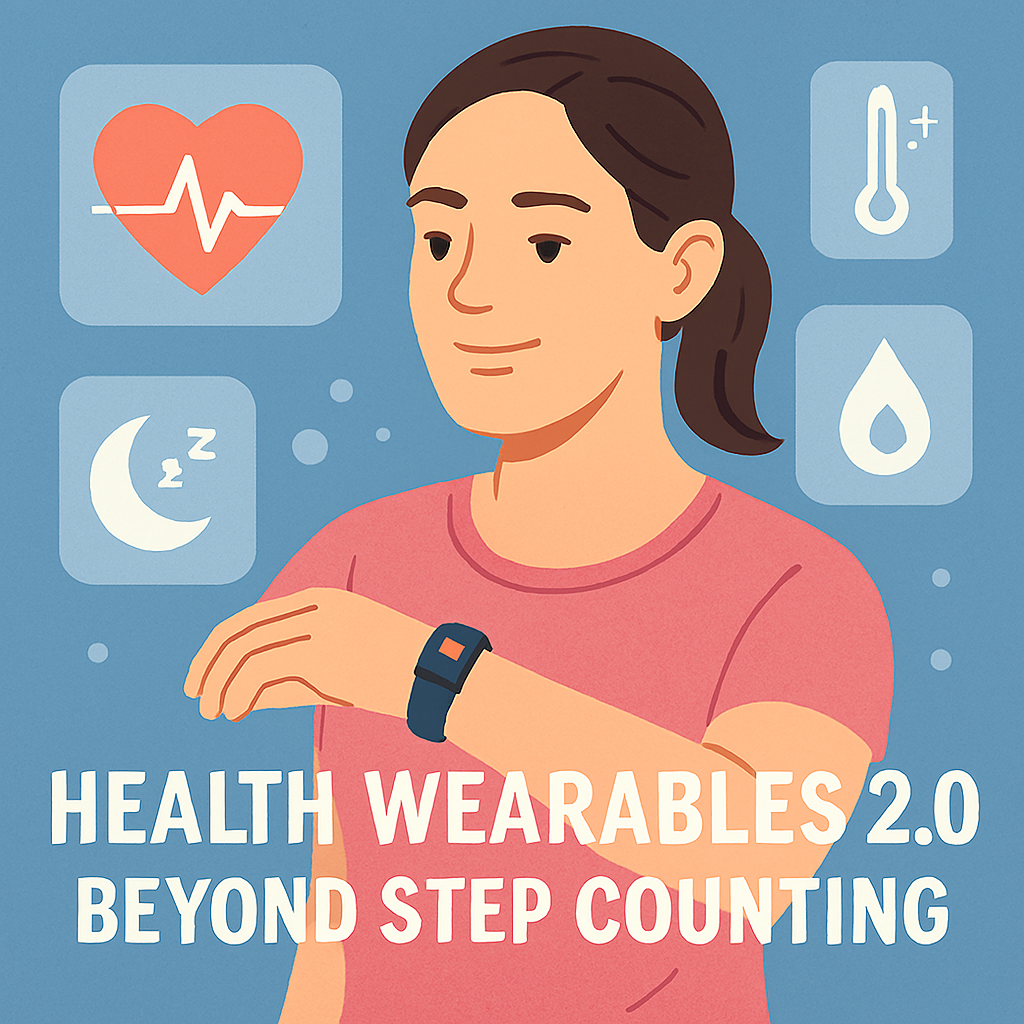
Wearable health technology has evolved from "nice to have" to "essential health monitoring."
2026 Wearable Capabilities:
Continuous Monitoring:
- Heart rate 24/7
- Blood oxygen (SpO2)
- Heart rate variability (HRV)
- Skin temperature
- Respiratory rate
- Sleep stages
Predictive Health:
- Illness detection 24-48 hours early
- Atrial fibrillation alerts (stroke prevention)
- Stress levels and burnout prediction
- Fertility and cycle tracking (women)
- Blood glucose estimation (some models)
Advanced Features:
- ECG on demand (FDA-cleared)
- Blood pressure estimation
- Fall detection (especially for elderly)
- Emergency SOS
Top Wearables 2026:
Apple Watch Series 11 ($399-799):
- Comprehensive health suite
- Large app ecosystem
- Fall detection, crash detection
- ECG, SpO2, temperature
- Best for: iPhone users, comprehensive monitoring
Samsung Galaxy Watch 7 ($299-449):
- Body composition analysis
- Sleep coaching
- FDA-cleared health features
- Best for: Android users, fitness focus
Oura Ring Gen 4 ($349-449):
- Discreet ring form factor
- Industry-leading sleep tracking
- Temperature monitoring
- Best for: Sleep optimization, minimal design
Whoop 4.0 ($239/year membership):
- No screen (focus on data)
- Recovery optimization
- Strain tracking
- Best for: Athletes, serious fitness enthusiasts
Garmin Fenix 8 ($899-1,099):
- Rugged outdoor watch
- Multi-sport tracking
- Battery lasts weeks
- Best for: Outdoor enthusiasts, athletes
Health Savings Potential:
Early Detection:
- Catching atrial fibrillation early: Prevents $150,000 stroke treatment
- Detecting sleep apnea: Saves $10,000+ in health consequences
- Stress management: Reduces mental health care costs
Insurance Discounts:
- Many US insurers offer 5-15% premium discounts
- Average savings: $200-500/year
- Some programs subsidize wearable costs
Indian Context:
Affordable Options:
- Amazfit Active Max ($99-149 / ₹8,000-12,000): Excellent value
- Noise ColorFit series ($40-80 / ₹3,000-6,500): Budget-friendly
- Boat smartwatches ($30-100 / ₹2,500-8,000): Entry level
Health System Integration:
- Limited integration with Indian healthcare currently
- Growing acceptance among doctors
- Particularly valuable in metros with air pollution (SpO2 monitoring)
Who Needs One:
Definitely:
- 40+ years old (heart health monitoring)
- Family history of heart disease
- Athletes optimizing performance
- Anyone with sleep issues
- Chronic condition management
Probably:
- 25-40 years old (preventive health)
- Fitness enthusiasts
- High-stress jobs
Maybe:
- Under 25 without health concerns
- Not interested in data tracking
- Prefer simpler lifestyle
- The Laptop Revolution: AI Chips and All-Day Battery
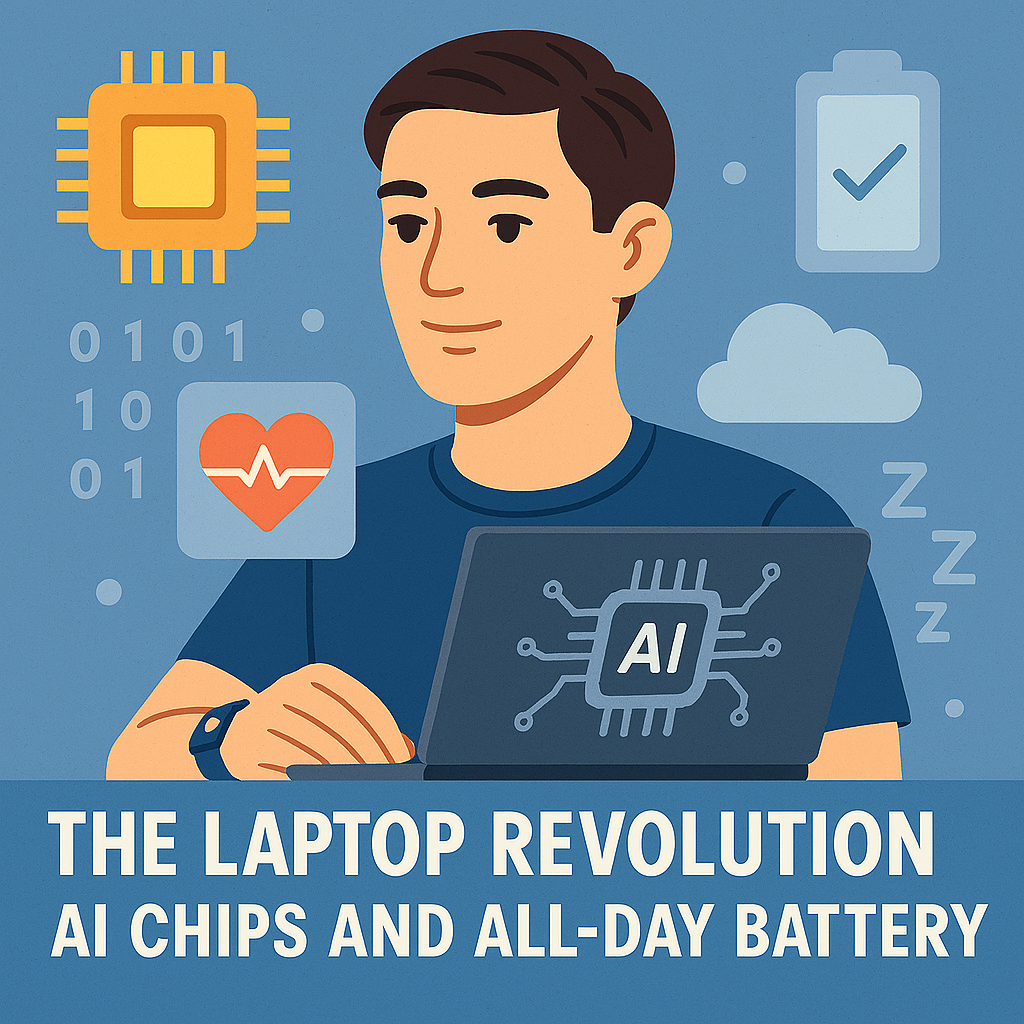
2026 is "the year of the laptop" with three major chip innovations competing for dominance.
The New CPU Wars:
Intel Core Ultra 300 Series (Panther Lake):
- 40% faster AI processing
- Integrated GPU competes with entry-level dedicated graphics
- 20+ hours battery life
AMD Ryzen AI 400 Series (Gorgon Point):
- Superior integrated graphics
- Excellent for light gaming without dedicated GPU
- 18-24 hours battery life
Qualcomm Snapdragon X2 Elite:
- ARM-based (like Apple's M-chips)
- Best battery life (25-30 hours)
- Runs Windows natively now
Why This Matters:
For Students:
- All-day battery (no charger needed on campus)
- Lightweight (3 lbs or less)
- Powerful enough for any coursework
- Price: $700-1,200
For Professionals:
- Run AI tools locally (no cloud needed)
- Video calls + presentations + spreadsheets all day
- Light photo/video editing without workstation
- Price: $1,000-1,800
For Creators:
- Integrated graphics handle 1080p video editing
- AI-assisted content creation
- Photo editing on the go
- Price: $1,200-2,000
For Gamers:
- Entry-level gaming without dedicated GPU
- Esports titles run smoothly (Valorant, League, CS:GO)
- Ultra-portable LAN party setup
- Price: $900-1,500
The Budget Sweet Spot: $1,000-1,300
This range gets you:
- Latest generation CPU
- 16GB RAM (essential for AI features)
- 512GB SSD
- 14-inch OLED display
- 20+ hour battery life
- 3 lbs or less weight
Indian Market:
Launch Timeline:
- New laptops arrive 1-3 months after US
- Pricing: Add 20-30% to US prices
- $1,000 laptop in US ≈ ₹1,00,000-1,20,000 in India
Best Value Brands in India:
- Lenovo: Excellent IdeaPad and ThinkPad lines
- HP: Strong Pavilion and Envy series
- ASUS: Good balance of price and performance
- Dell: Reliable XPS and Inspiron lines
When to Buy:
Buy Now (January-March 2026):
- Student needing laptop immediately
- Professional with broken/old laptop
- Early adopter excited about new tech
Wait Until June-August 2026:
- Prices drop 15-25% by mid-year
- More model options available
- Better deals with promotions
Wait Until November 2026:
- Black Friday/Cyber Monday deals
- 30-40% off launch prices
- Older gen models even cheaper
Upgrading Decision Matrix:
Definitely Upgrade:
- Current laptop is 5+ years old
- Battery lasts under 3 hours
- Frequently runs slow
- Broken or failing components
Consider Upgrading:
- Current laptop is 3-4 years old
- Need AI features for work
- Want all-day battery for travel
- Current laptop can't handle your needs
Don't Upgrade Yet:
- Current laptop is under 3 years old
- Meets all your needs
- Battery still good (6+ hours)
- Budget better spent elsewhere
Your 2026 Tech Adoption Strategy
Q1 2026 (Jan-Mar): Evaluate and Plan
- Try free AI tools (ChatGPT, Claude)
- Research wearables if health-focused
- Assess laptop needs
Q2 2026 (Apr-Jun): Early Adoption Window
- Upgrade laptop if needed (prices dropping)
- Buy wearable after research
- Subscribe to AI tools if beneficial
Q3 2026 (Jul-Sep): Smart Glasses Consideration
- Test smart glasses in store
- Consider if use case justifies cost
- Wait for reviews and price drops
Q4 2026 (Oct-Dec): Deal Season
- Black Friday/Cyber Monday laptop deals
- Holiday wearable discounts
- AI subscription annual plans (save 20%)
2027: Home Robotics
- Observe robot vacuum reviews
- Consider home robots if prices drop 40%+
- Wait for Indian market availability
The Bottom Line: Adopt Strategically
Not every tech trend requires immediate adoption. Here's the priority order:
Priority 1: AI Tools → Immediate ROI, low cost Priority 2: Health Wearables → Long-term health benefits Priority 3: New Laptop → Only if current one is inadequate Priority 4: Smart Glasses → Wait for Gen 2 (2027) Priority 5: Home Robots → Wait for maturity + price drops (2027-2028)
The key isn't to have the latest everything—it's to adopt technology that genuinely improves your life, productivity, or health. Start with AI tools (many are free), assess the value, then expand based on real-world benefits.
Technology should serve you, not drain your wallet or add complexity. Choose wisely, adopt intentionally, and always ask: "Does this actually solve a problem I have?"
Which 2026 tech trend are you most excited about? Share your thoughts and questions in the comments!