10 Kitchen Innovations That Will Save You Time and Money in 2026
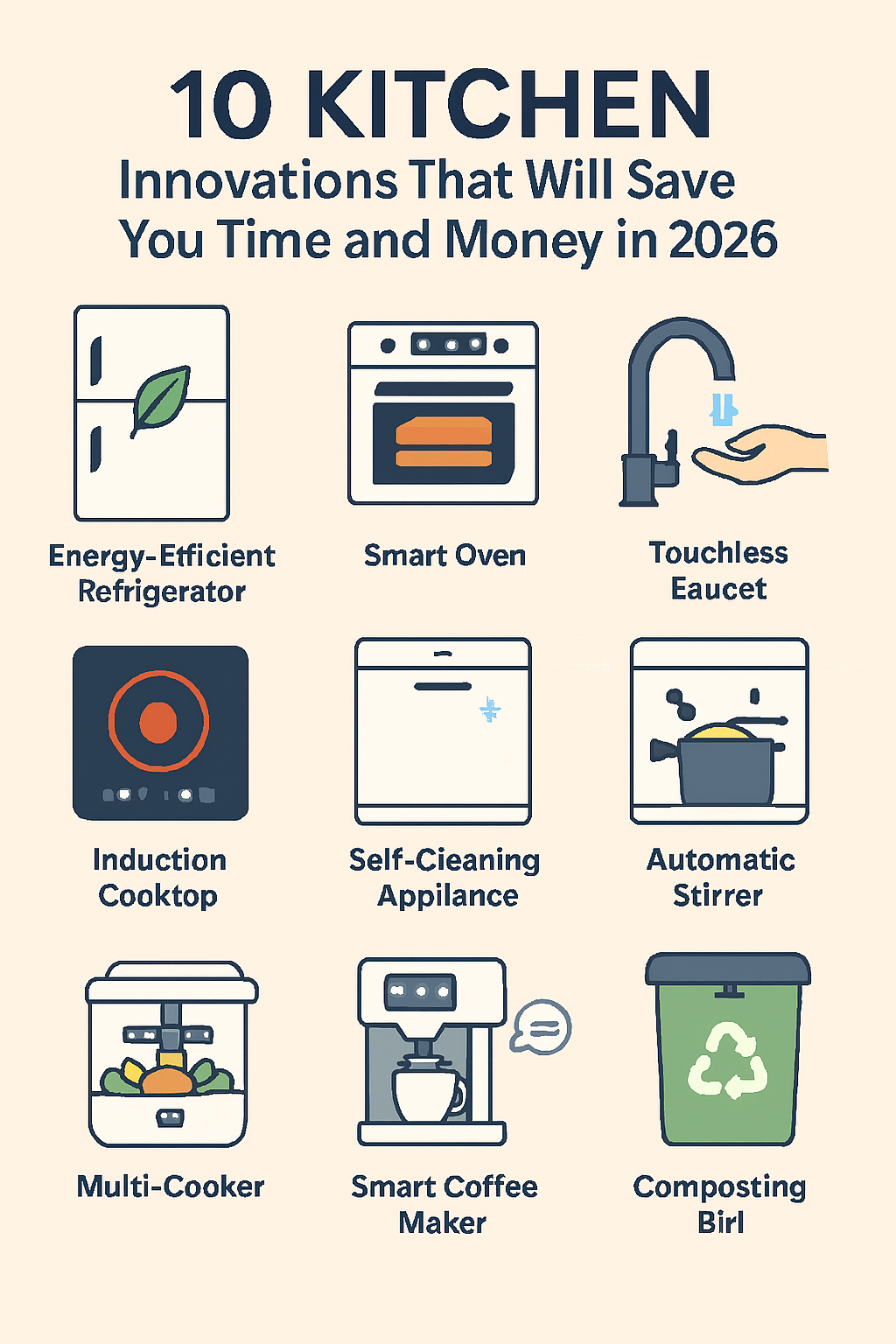
Your kitchen is about to get a major upgrade. The innovations showcased at CES 2026 and launching throughout the year represent a fundamental shift in how we store food, cook meals, and manage household resources. From AI-powered refrigerators that prevent food waste to energy-efficient appliances that slash utility bills, 2026's kitchen technology is smarter, more affordable, and more practical than ever.
Whether you're renovating your kitchen, replacing old appliances, or simply looking for upgrades that pay for themselves, here are the game-changing kitchen innovations you need to know about.
- AI-Powered Smart Refrigerators: Your Kitchen's New Brain
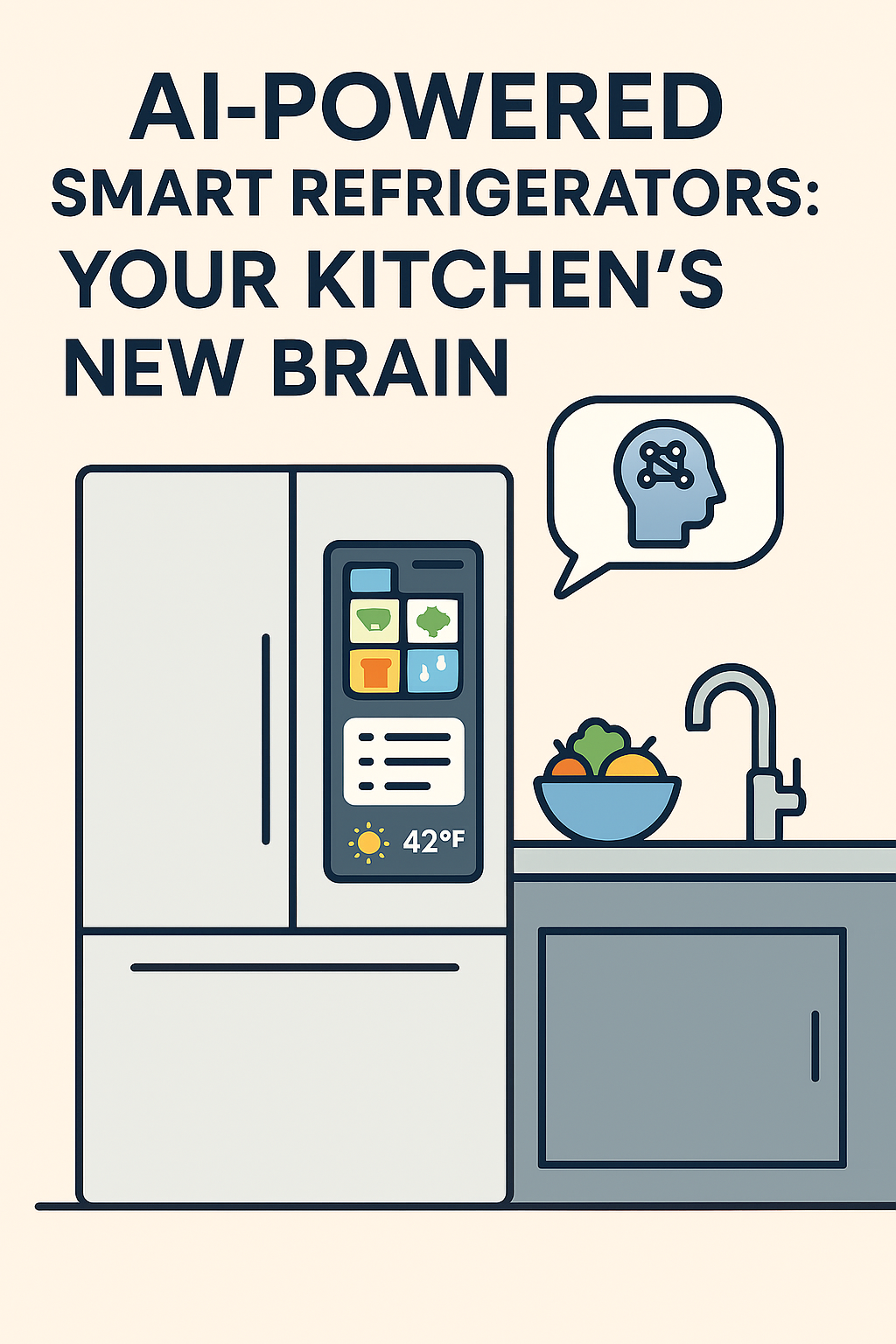
Samsung's Family Hub refrigerator received a massive AI upgrade at CES 2026, powered by Google's Gemini, and it's changing the game for food management.
What's New:
Advanced Food Recognition:
- Internal cameras identify every item you put in or take out
- Reads expiration dates directly from packaging
- Tracks quantity and freshness of produce
- Recognizes leftovers stored in containers
Intelligent Recipe Suggestions:
- Suggests recipes based on actual available ingredients
- Prioritizes items nearing expiration
- Adjusts for dietary preferences and restrictions
- Considers time of day and meal history
Waste Reduction Alerts:
- Notifies you when milk is about to expire
- Suggests using items before they spoil
- Tracks your waste patterns
- Recommends better storage methods
Real-World Savings:
For Indian Households:
- Average Indian family wastes ₹30,000-50,000 worth of food annually
- Smart fridge can reduce waste by 30-40%
- Potential savings: ₹9,000-20,000/year
- Works with Indian staples: recognizes dal, vegetables, dairy, rotis
For American Households:
- Average American family wastes $1,800 worth of food annually
- Smart fridge can reduce waste by 35-45%
- Potential savings: $630-810/year
- Particularly effective for busy families who forget what's in the fridge
Pricing and ROI:
- Smart fridge cost: $2,500-4,000 (₹2,00,000-3,20,000)
- Annual savings: $600-800 (₹45,000-65,000)
- Break-even: 3-5 years
- Additional benefit: Lasts 15-20 years, providing long-term savings
Is It Worth It?
Yes, if you:
- Currently waste significant food
- Have a large family (4+ members)
- Buy groceries weekly in bulk
- Forget about items in the back of the fridge
- Cook diverse meals requiring many ingredients
Not yet, if you:
- Live alone or with one other person
- Shop daily for fresh ingredients
- Have minimal food waste already
- Budget doesn't allow $2,500+ appliance
- Energy-Efficient Induction Cooktops: The Money-Saving Switch
Induction cooking isn't new, but 2026 models are smarter, cheaper, and more efficient than ever.
The Technology:
Induction uses electromagnetic fields to heat pots and pans directly, making it:
- 70% more efficient than gas
- 90% more efficient than electric coils
- Faster: Boils water in 3 minutes vs. 7-10 minutes
- Safer: Surface stays cool, reducing burn risk
- Cleaner: No gas fumes, easier to clean
Energy Savings Breakdown:
Gas Cooking (Current):
- Average gas bill: $50-80/month (US) or ₹1,200-2,000/month (India)
- Annual cost: $600-960 or ₹14,400-24,000
Induction Cooking (Switch):
- Average electricity for cooking: $20-35/month (US) or ₹600-1,000/month (India)
- Annual cost: $240-420 or ₹7,200-12,000
Annual Savings: $180-540 (US) or ₹7,200-12,000 (India)
Indian Context:
- LPG prices continue rising; induction provides price stability
- Many urban areas have reliable electricity
- Government subsidies for electric cooking in some states
- Particularly effective for apartments (no gas pipeline needed)
American Context:
- Many states offer rebates for switching from gas to electric ($500-2,000)
- Reduces indoor air pollution (gas stoves emit nitrogen dioxide)
- Increases home value (modern kitchens feature induction)
- Better for climate-controlled homes (doesn't heat kitchen like gas)
2026 Induction Innovations:
Smart Features:
- Auto-temperature adjustment based on recipe
- Bluetooth connectivity with cooking apps
- Power-sharing across zones (cook 6 things efficiently)
- Voice control integration
Affordable Options:
- Portable single-burner: $60-100 (₹5,000-8,000)
- Full cooktop 4-burner: $600-1,200 (₹48,000-96,000)
- Professional models: $1,500-3,000 (₹1,20,000-2,40,000)
Starter Strategy: Buy a portable induction burner ($60-80) and test it for 3 months. If you love it, upgrade to a full cooktop.
- Smart Dishwashers: Water and Energy Efficiency Perfected
Modern dishwashers use less water than handwashing, and 2026 models take efficiency further.
Water Usage Comparison:
Handwashing:
- Average: 20-27 gallons per load
- With running water: 27+ gallons
Old Dishwasher (pre-2015):
- Average: 10-15 gallons per load
2026 Smart Dishwasher:
- Average: 3-5 gallons per load
- Sensors adjust water based on soil level
- Uses only what's needed
Annual Savings:
US Households:
- Water savings: $50-100/year
- Energy savings: $35-70/year
- Detergent savings (more efficient): $30-50/year
- Total: $115-220/year
Indian Households:
- Water savings: ₹3,000-6,000/year (in cities with metered water)
- Energy savings: ₹2,000-4,000/year
- Total: ₹5,000-10,000/year
Smart Features in 2026:
- Soil Sensing: Adjusts cycle based on how dirty dishes are
- Half-Load Options: Efficient cleaning for smaller loads
- App Control: Start remotely, monitor cycle
- Auto-Detergent Dispensing: Releases optimal amount
- Leak Detection: Prevents water damage, shuts off automatically
Breaking the Cultural Barrier:
Indian Homes: Dishwashers have been slow to adopt, but 2026 models:
- Handle Indian cookware (kadhai, pressure cookers, thalis)
- Effectively clean oil and spice residue
- Save significant time (30-45 minutes/day)
- Use less water than bucket washing
Quick Math: If your time is worth ₹200/hour and dishwashing takes 45 minutes daily, you're spending ₹2,925/month in time. A dishwasher costing ₹30,000-40,000 pays for itself in 11-14 months in time savings alone.
- Air Fryers: The Kitchen MVP of 2026
Air fryers exploded in popularity, and 2026 models are more versatile and efficient.
Why Air Fryers Win:
Health Benefits:
- 70-80% less oil than deep frying
- Reduces calorie content by 70-80%
- Maintains food texture and taste
Energy Efficiency:
- Uses 50% less energy than conventional oven
- Heats faster (no preheating needed)
- Cooks 20-30% faster
Versatility (2026 Models):
- Air fry, bake, roast, broil, dehydrate
- Toast, reheat, rotisserie
- Some models include pressure cooking
Cost Savings:
Oil Savings:
- Deep frying: 2-3 cups oil per batch = $3-5 (₹250-400)
- Air frying: 1-2 tablespoons oil = $0.20-0.40 (₹15-30)
- Savings per use: $2.80-4.60 (₹220-370)
If you fry once weekly:
- Annual oil savings: $145-240 (₹11,440-19,240)
Energy Savings:
- Oven: $0.50-0.80 per hour
- Air fryer: $0.20-0.30 per hour
- Difference: $0.30-0.50 per hour
Popular Uses:
Indian Cooking:
- Samosas, pakoras, vada without oil bath
- Tandoori-style paneer and vegetables
- Crispy dosas and parathas
- Roasted spices and nuts
American Cooking:
- French fries, chicken wings, fish
- Reheating pizza (better than microwave)
- Baking cookies and muffins
- Roasted vegetables
Best Models 2026:
Budget ($80-120 / ₹6,500-10,000):
- Ninja 4-quart Air Fryer
- Cosori 5.8-quart Air Fryer
- Philips Essential Air Fryer
Premium ($200-350 / ₹16,000-28,000):
- Ninja Foodi Dual Zone (two baskets)
- Breville Smart Oven Air Fryer
- Instant Vortex Plus (7-in-1)
- Smart Coffee Makers: Perfect Brew Every Time
For coffee-dependent households, smart coffee makers optimize the morning routine.
2026 Innovations:
Automated Precision:
- Grinds beans to exact coarseness
- Heats water to optimal temperature (195-205°F)
- Times extraction perfectly
- Adjusts brew strength to preference
Smart Scheduling:
- Wake up to fresh coffee (scheduled brewing)
- Voice-activated brewing
- App control from bed
- Automatic reorder of beans/filters
Cost Comparison:
Daily Starbucks:
- $5 latte x 365 days = $1,825/year
Home Smart Coffee Maker:
- Machine cost: $200-400
- Beans: $15/pound = $390/year (26 pounds)
- Total Year 1: $590-790
- Years 2+: $390/year
Savings: $1,035-1,435 in first year, then $1,435+/year
Indian Adaptation:
- Smart makers for filter coffee (South Indian style)
- Chai makers with spice infusion
- Cold brew makers (growing trend)
- Instant Pots and Multi-Cookers: One Appliance, Ten Functions
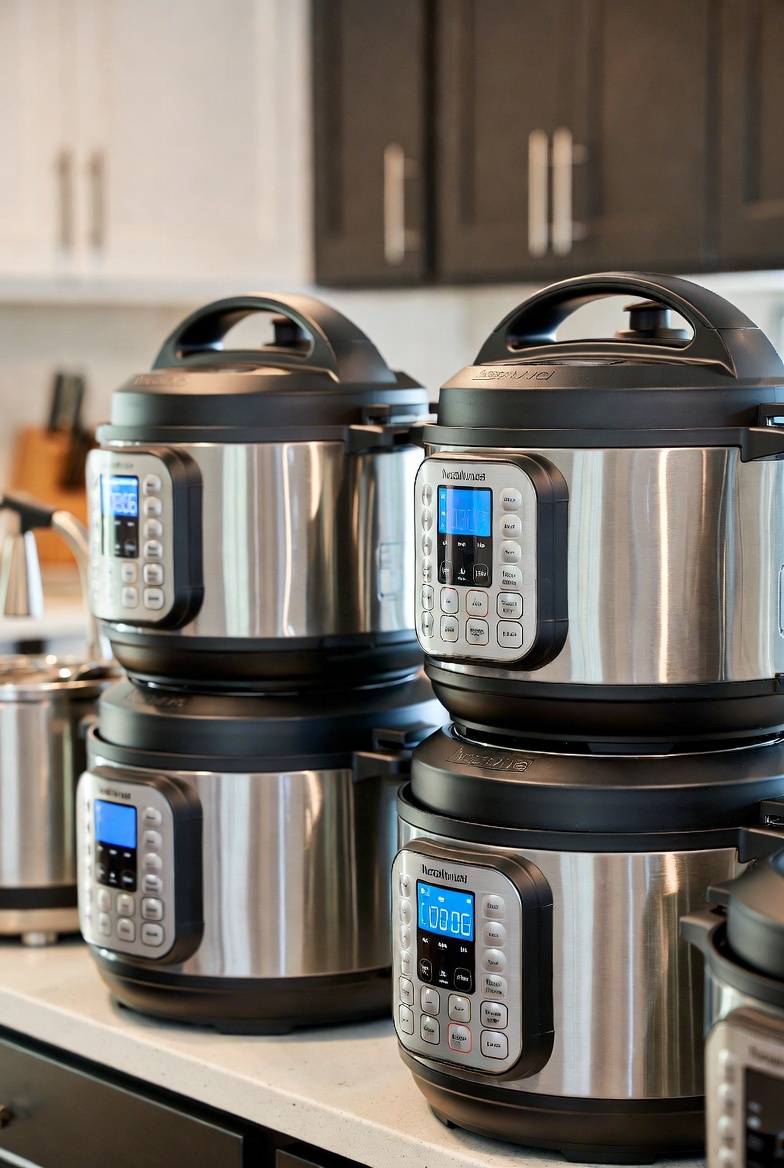
Instant Pots continue dominating, and 2026 versions add more capabilities.
What They Replace:
- Pressure cooker
- Slow cooker
- Rice cooker
- Steamer
- Yogurt maker
- Sauté pan
- Warming pot
Money Savings:
Equipment Replacement:
- Would need 7 appliances: $400-700
- Instant Pot cost: $100-200
- Savings: $300-500
Energy Efficiency:
- Uses 70% less energy than oven
- Cooks 70% faster than stovetop
- Annual energy savings: $50-80 (₹4,000-6,500)
Time Savings (Big One):
- Dal: 30 minutes stovetop → 8 minutes Instant Pot
- Rice: 20 minutes stovetop → 12 minutes Instant Pot
- Curry: 45 minutes stovetop → 15 minutes Instant Pot
Indian Household Impact:
- Perfect for dal, rice, curries, biryani
- Yogurt making (dahi) automated
- Steaming idlis and dhokla
- Makes cooking for large families manageable
2026 Models to Consider:
Standard (6-quart): $100-130 (₹8,000-10,500) Large Family (8-quart): $130-180 (₹10,500-14,500) Premium (with air fryer lid): $200-250 (₹16,000-20,000)
- Vacuum Sealers: Fight Food Waste, Save Big
Vacuum sealers prevent freezer burn and extend food life dramatically.
Food Storage Times:
Regular Storage:
- Meat in freezer: 2-3 months
- Vegetables: 2-3 months
- Bread: 1-2 months
Vacuum Sealed:
- Meat in freezer: 12-24 months
- Vegetables: 12-18 months
- Bread: 6-12 months
Money Saved:
Scenario: You buy meat in bulk to save money
Without vacuum sealer:
- Buy 10 lbs chicken @ $20
- Use 5 lbs, freeze 5 lbs
- Freezer burn ruins 2 lbs (40% loss)
- Waste: $4
With vacuum sealer:
- Buy 10 lbs chicken @ $20
- Vacuum seal in portions
- No freezer burn
- Save: $4 per bulk purchase
If buying bulk once a month: $48/year savings
Better savings with:
- Bulk buying from Costco/warehouse clubs
- Seasonal produce (strawberries, corn)
- Meal prepping (prevents takeout)
Best Uses:
Indian Kitchens:
- Masala powders (maintains freshness)
- Dried fruits and nuts
- Paneer (freezes perfectly sealed)
- Bulk flours and grains
American Kitchens:
- Bulk meat purchases
- Sous vide cooking
- Camping food prep
- Garden harvest preservation
Cost: $50-150 for quality vacuum sealer
- Smart Scales and Meal Prep Tools
Precision in cooking leads to less waste and better results.
Smart Kitchen Scale Features:
- Nutritional information database
- Portion control guidance
- Recipe scaling (adjusts for servings)
- Bluetooth app integration
How It Saves Money:
Portion Control:
- Prevents over-serving
- Reduces plate waste
- Helps with meal planning
- Typical savings: $200-400/year
Accurate Baking:
- Reduces recipe failures
- Perfect measurements = consistent results
- Especially important for Indian sweets (precise ratios)
- Compost Bins: Turn Waste into Garden Gold
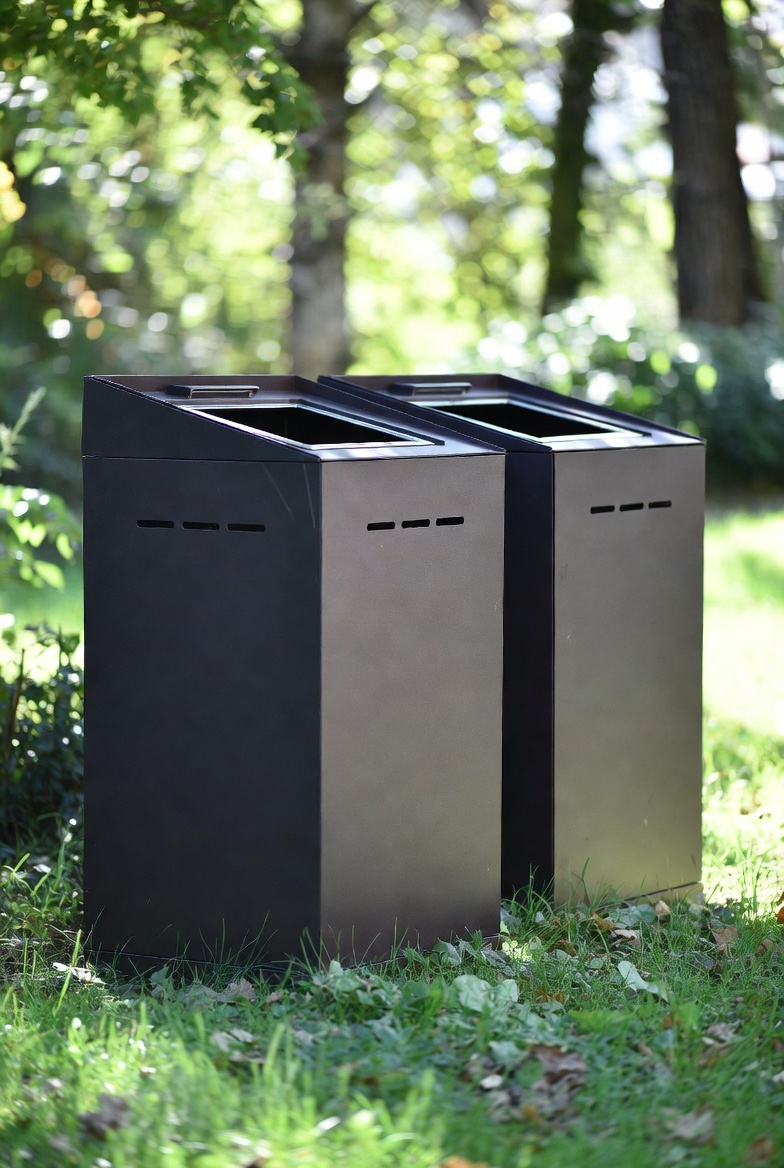
Kitchen compost bins reduce waste and create free fertilizer.
Modern Electric Composters:
- Process food waste in 3-8 hours
- Odorless operation
- Creates usable compost
- Reduces trash by 30-40%
Financial Benefits:
Trash Savings:
- Smaller trash bags needed
- Fewer bags per year: $30-60 savings
Garden Fertilizer:
- Replace buying compost: $50-100/year
- Better plant growth (indirect savings)
Environmental Impact:
- Reduce methane from landfills
- Close the food loop
Cost: $50-400 depending on electric vs. traditional
- Energy-Efficient Small Appliances
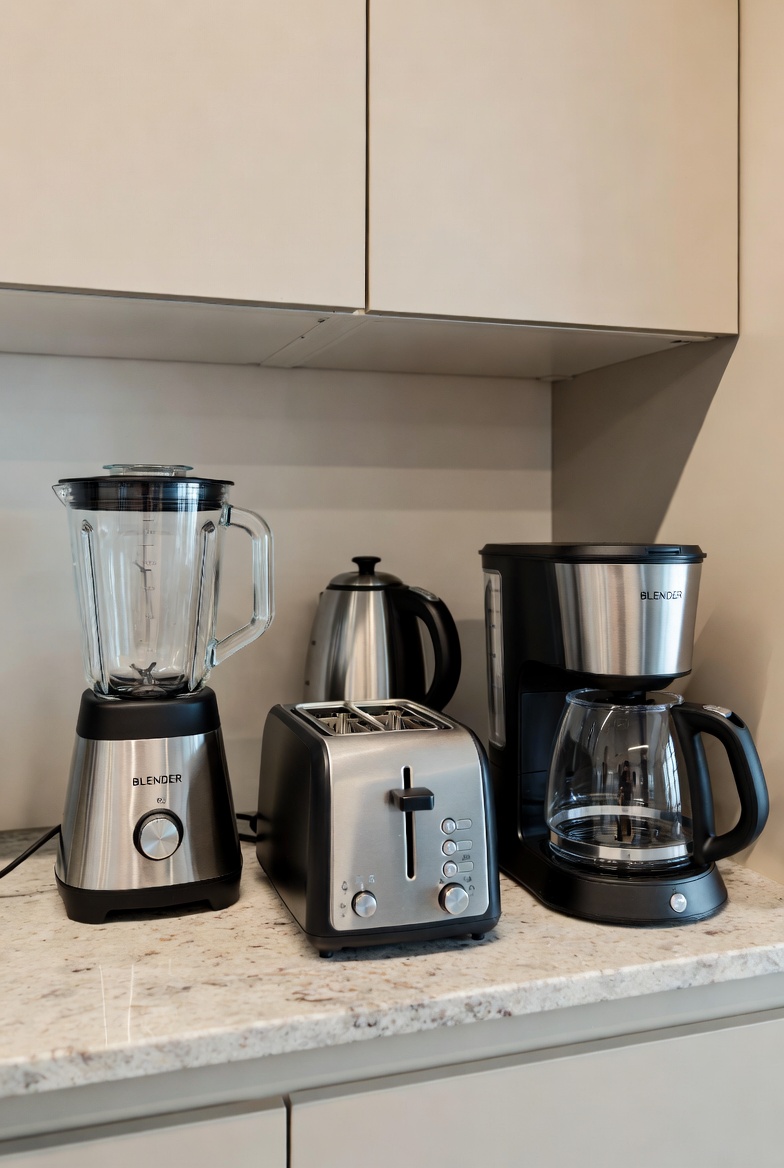
From toasters to blenders, 2026 appliances use less power.
Energy Star Certified Appliances Save:
Blender:
- Old model: 600-800 watts
- 2026 efficient: 300-400 watts
- Savings: $5-10/year
Toaster Oven:
- Old model: 1500 watts
- 2026 efficient: 900-1200 watts
- Savings: $15-25/year
Microwave:
- Old model: 1200 watts
- 2026 efficient: 800-900 watts
- Savings: $20-35/year
Combined savings from all small appliances: $80-150/year
Your Kitchen Upgrade Roadmap
Phase 1: Quick Wins (Under $500)
- Smart kitchen scale
- Air fryer
- Instant Pot
- Vacuum sealer
Phase 2: Major Upgrades (Under $2,000)
- Induction cooktop
- Energy-efficient dishwasher
- Smart coffee maker
Phase 3: Premium Investments ($2,000+)
- AI-powered smart fridge
- Complete kitchen remodel with efficient appliances
Total Potential Annual Savings:
- Food waste reduction: $600-1,800
- Energy efficiency: $200-500
- Time savings: $500-2,000 (valued at hourly rate)
- Total: $1,300-4,300/year
The Bottom Line
Modern kitchen innovations aren't just about convenience—they're about sustainability, efficiency, and meaningful cost savings. The right combination of smart appliances pays for itself within 1-3 years while making cooking more enjoyable.
Start with one or two upgrades that address your biggest pain points: food waste, energy costs, or time constraints. As each appliance proves its value, expand your smart kitchen ecosystem.
The kitchen of 2026 is smarter, greener, and more economical than ever. The question isn't whether to upgrade—it's which upgrades to prioritize first.
What kitchen innovation are you most excited to try? Share in the comments!